Below are some of the sites I have visited on my travels with a simple and brief description for each. Not all of them are designated nature reserves, but I found that all of them were good for wildlife.
Ireland/Northern Ireland:
Rosbeg and Portnoo area, Co Donegal:
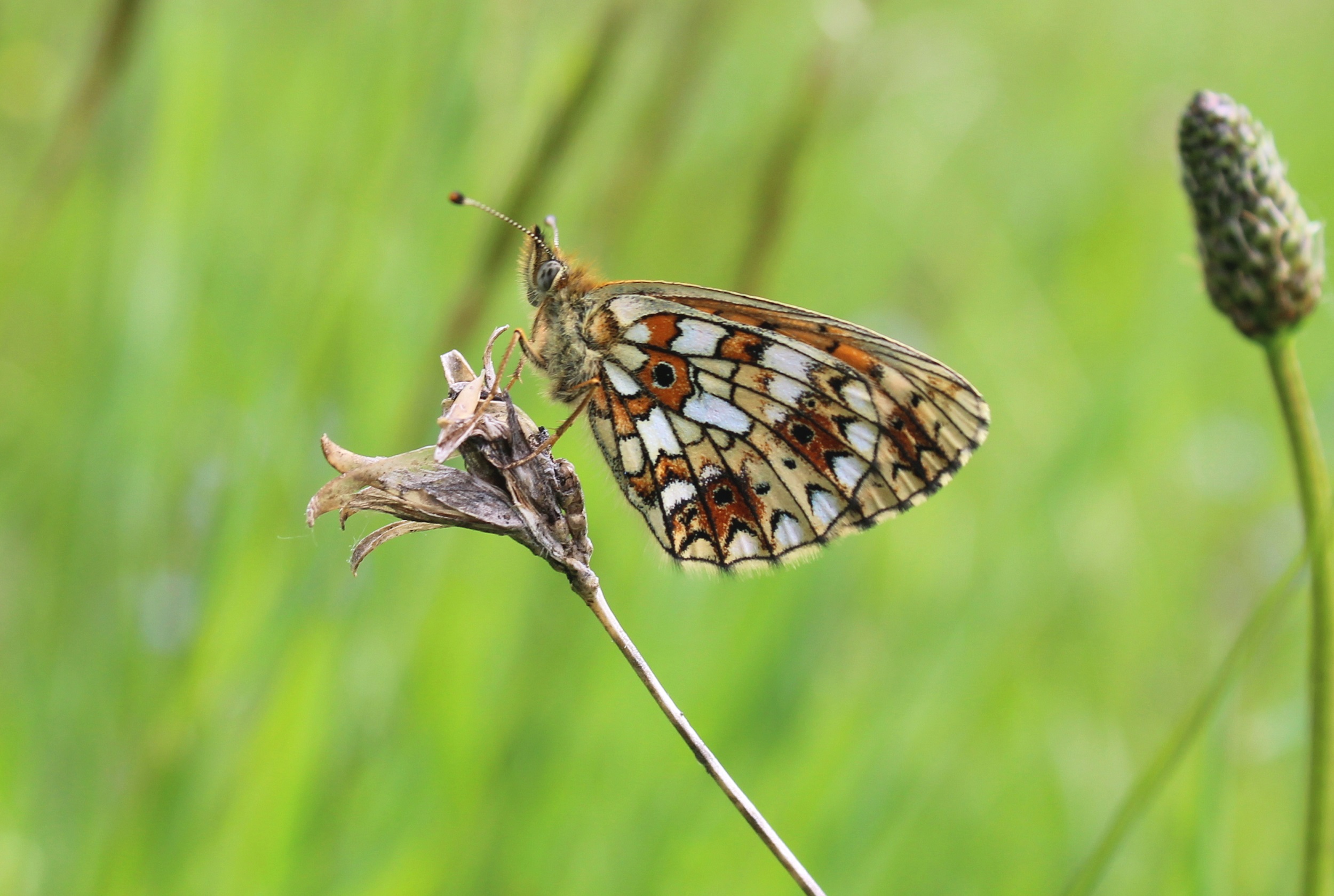
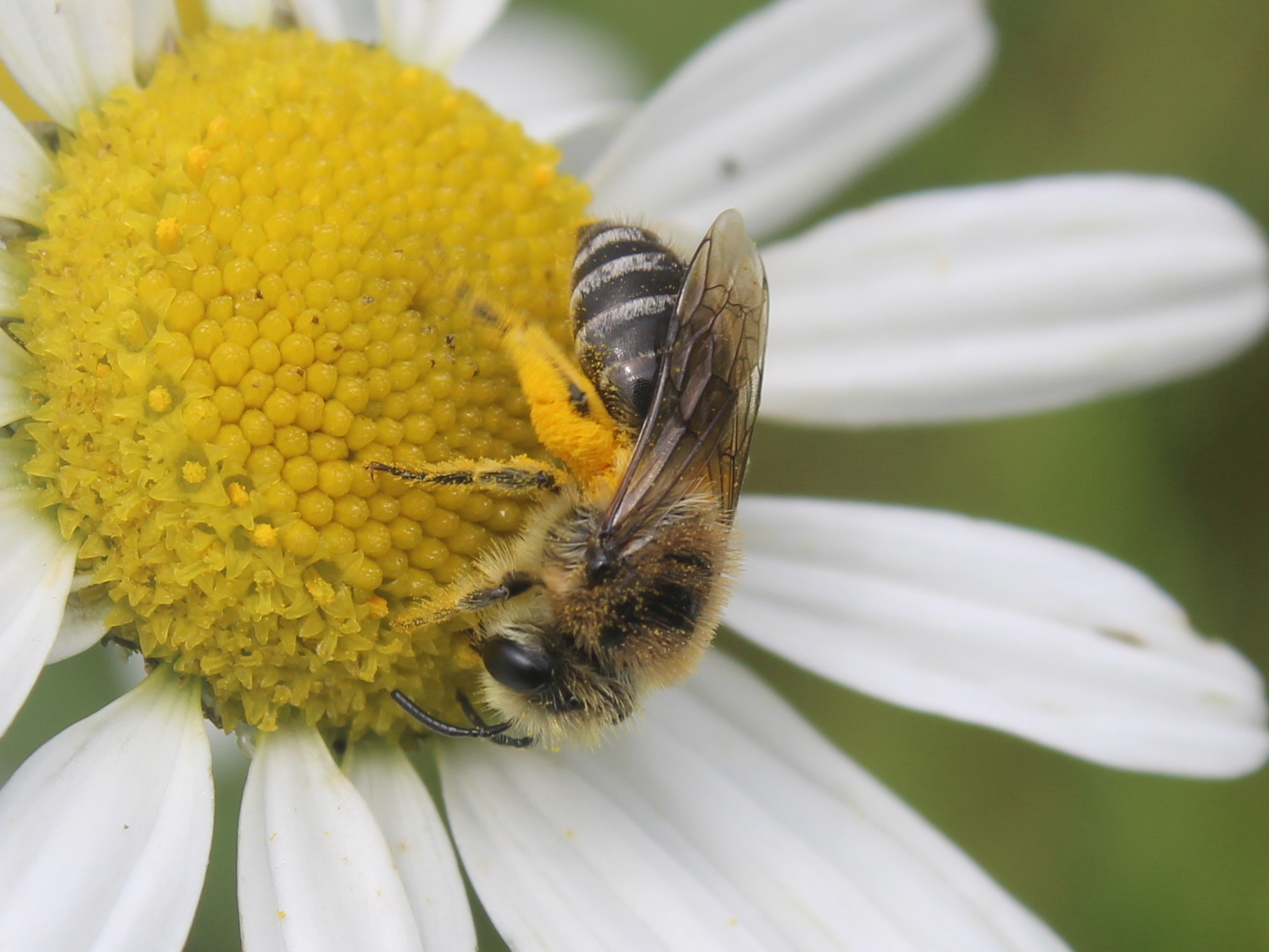
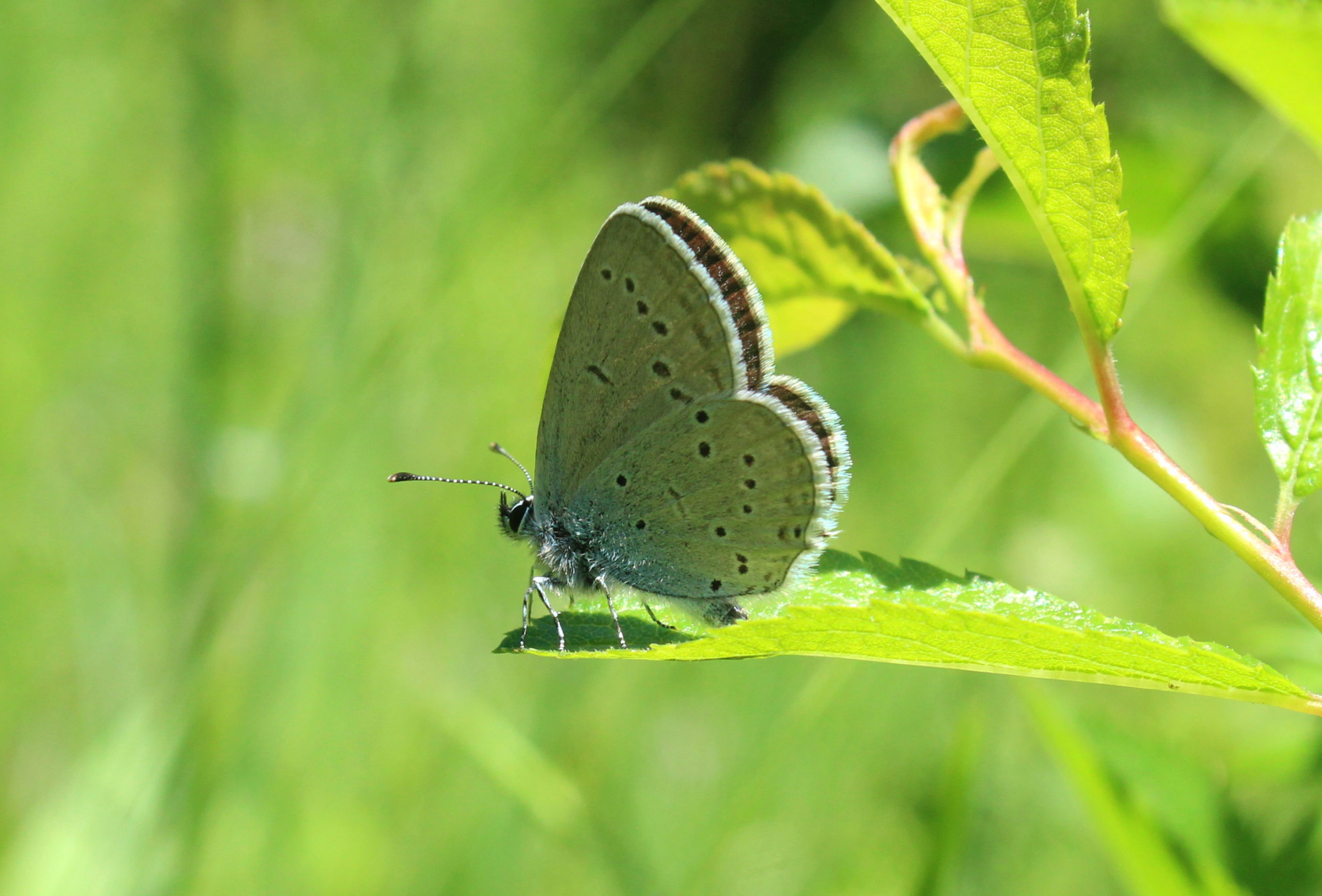
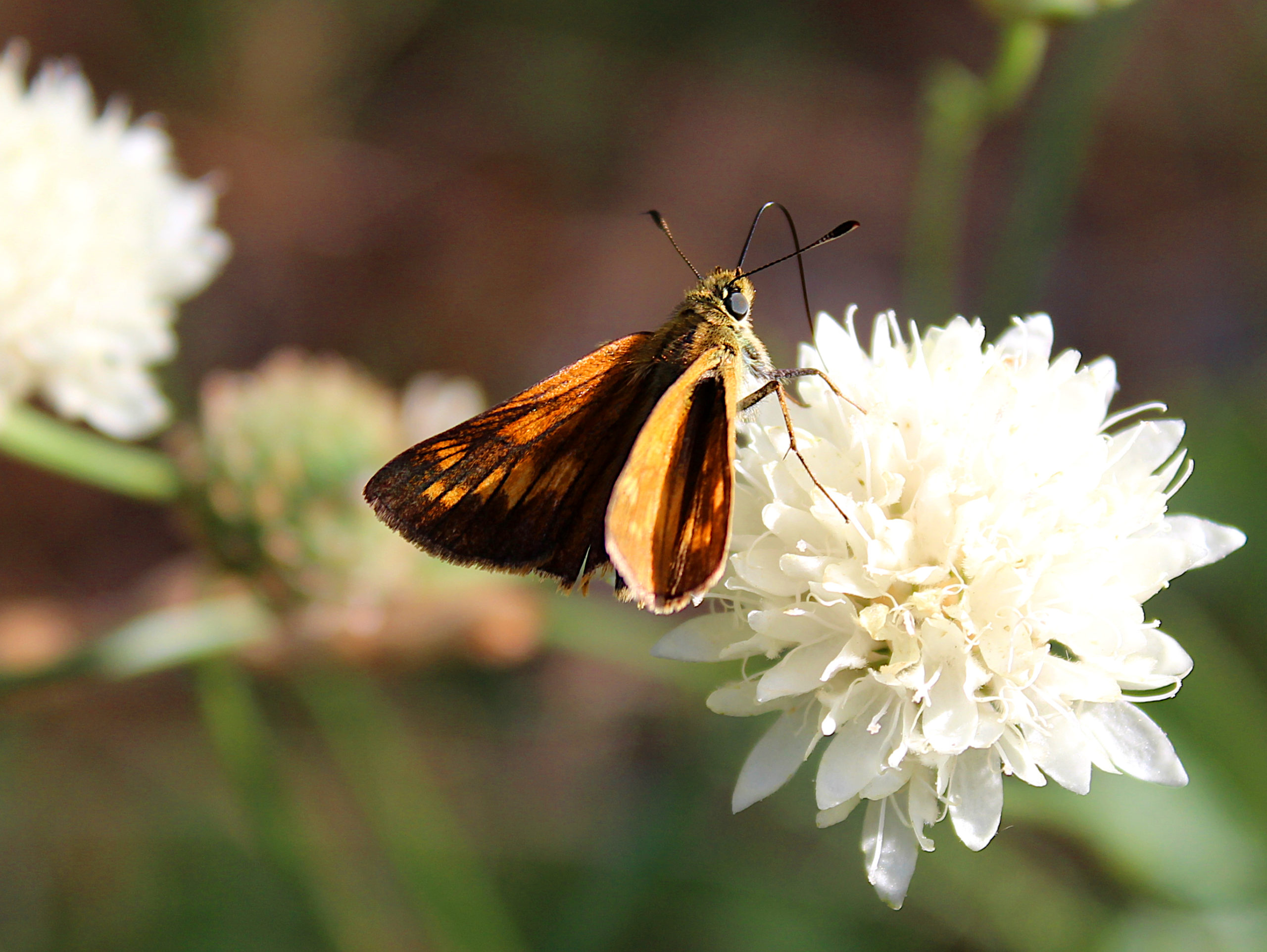
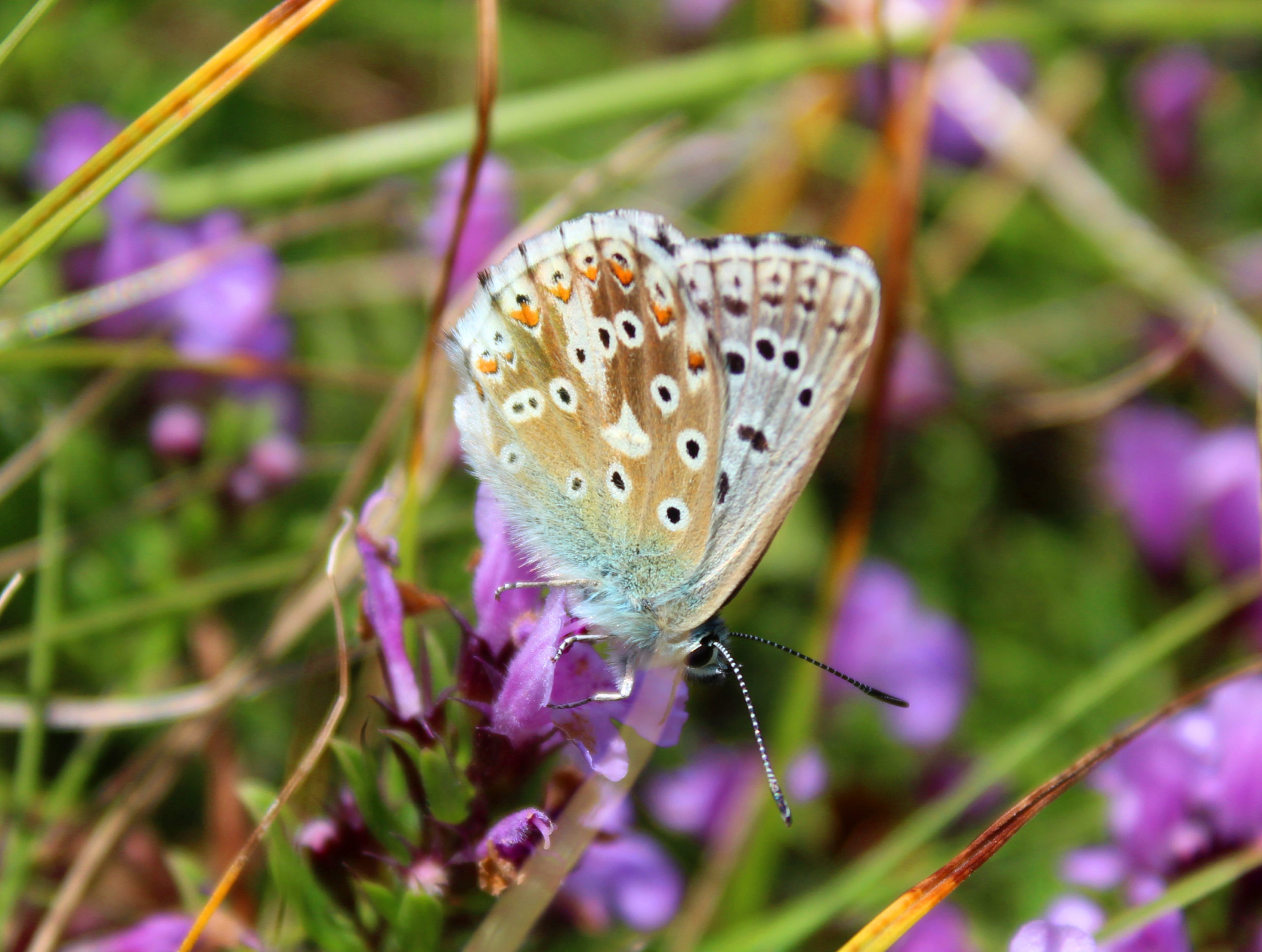
Areas near the coast consist of machair, coastal heath, dunes and marsh, with a fantastic variety of flowers and insects in particular. Butterflies of interest include the Grayling, Small Blue, Common Blue, Dingy Skipper, Marsh Fritillary and Dark Green Fritillary. The Narrow-bordered Bee Hawkmoth occurs here in small numbers, as do the local Northern Colletes and Sandpit Mining Bees. Bumblebees include the Red-shanked Carder Bee and the Moss Carder Bee. The Machair supports a wide variety of orchids that can be seen from May-August, such as Pyramidal, Fragrant, Dense-flowered, Northern Marsh, Common Spotted, Lesser Butterfly and Bee Orchids. The loughs and Dawros Bay are wintering sites for White-fronted Geese, Barnacle Geese, Red-throated and Great Northern Divers, Common Scoter, Wigeon and Teal. Other birds of interest include the Twite, Merlin, Hen Harrier, Chough, Cuckoo, Sand Martin, Golden Plover, Lapwing and Skylark.
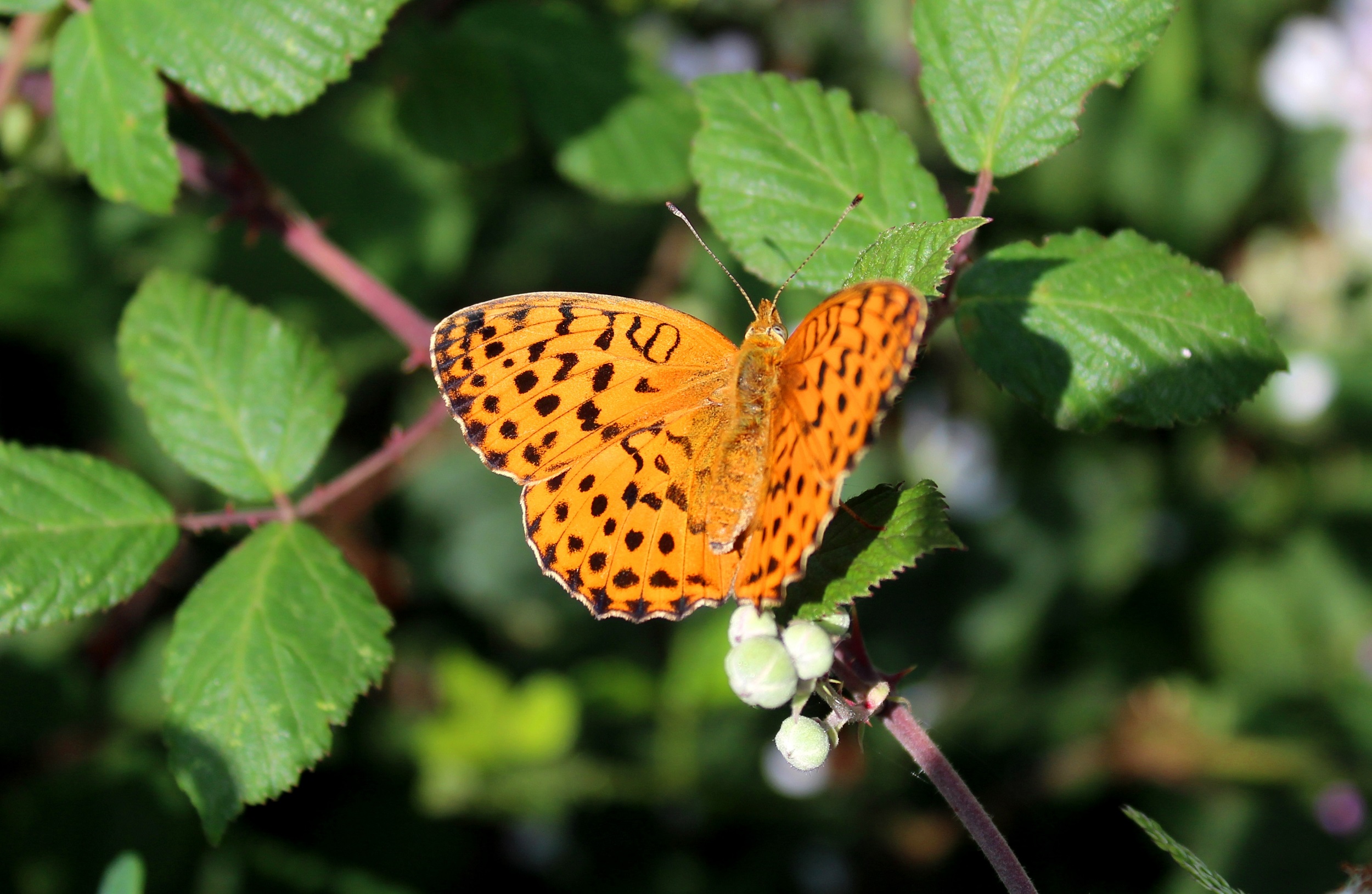
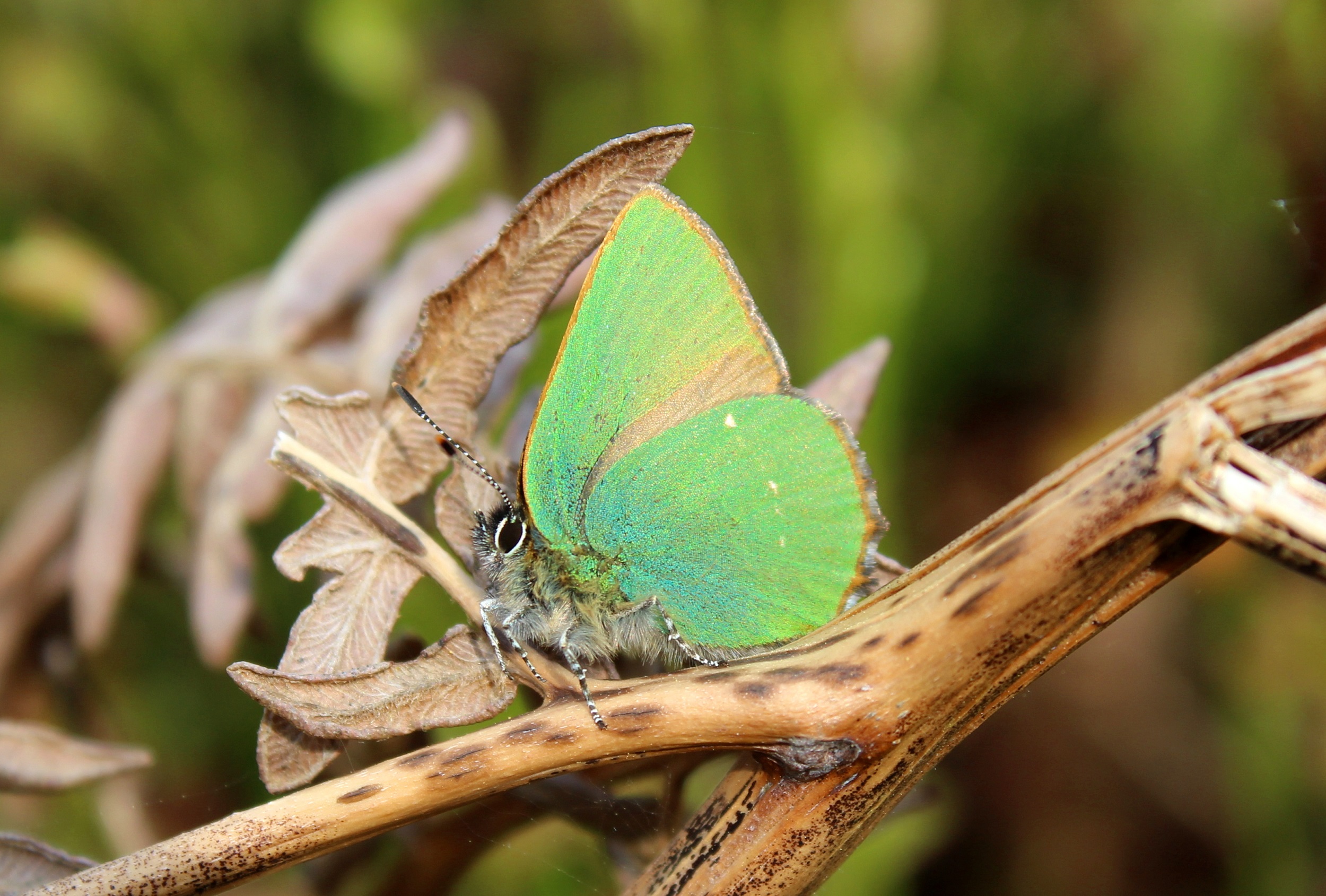
Bonny Glen is a small mixed forest in this area with several small lakes and large clearings, surrounded by bogland. The Goldcrest is common in the coniferous trees, whilst in summer House Martins, Swallows, Goldfinches, Siskins, Redpolls, Whitethroats, Blackcaps and Willow Warblers can be seen in the more open areas. There are healthy populations of Dark Green and Silver-washed Fritillaries, along with the Dingy Skipper and Common Blue. Green Hairstreak and Large Heath exist on the edges of the woodland where it meets the surrounding bog. Other insects include the Northern White-tailed Bumblebee, Narrow-bordered Bee Hawkmoth, Woodland Dor Beetle and Green Tiger Beetle.
St. John’s Point, Co Donegal:
An exposed peninsula comprising of limestone and basalt rock, with a range of lime-loving plants, such as Carline Thistle and Bloody Crane’s-bill. In birding terms it is one of Donegal’s best sites to see autumn and spring passage migrants, with both common and rarer vagrant species appearing each year. Butterflies include the Wall Brown, Marsh Fritillary and Small Blue.
Portmore Lough, Co. Antrim:
A low-lying lough with large adjacent reedbeds and wet grassland. It is an important wintering and breeding site for a wide range of ducks, passerines and waders; such as the Smew, Pochard, Garganey, Linnet, Tree Sparrow, Reed Warbler, Sedge Warbler, Common Tern and vagrant raptors such as Marsh Harrier. Irish Hares can be seen at the site. Butterflies include Small Copper and Small Heath. It is one of the few places in Ireland where the Irish Lady’s Tresses Orchid grows. The local and unique Lunar Hornet Moth has been seen here.
Slievenacloy Nature Reserve, Co. Antrim:
This is a large area of damp species-rich grassland, scrubby areas and drier heathland managed by Ulster Wildlife. It boasts good numbers of various Orchid species such as the Small White Orchid, Frog Orchid and Lesser Butterfly Orchid. Other flowers on the reserve include Lousewort, Marsh Marigold and Devil’s-bit Scabious. The open areas attract breeding birds such as the Stonechat, Meadow Pipit, Skylark and Grasshopper Warbler, Reed Bunting and Cuckoo whilst occasional visits are made by the rare Snow Bunting in winter. The site is reliable for spotting the Common Lizard. It is a rather good site for butterflies, with species such as the Small Copper, Small Heath, Common Blue and Dark Green Fritillary whilst moths include the Emperor, Wood Tiger, Narrow-bordered Bee Hawkmoth and Marsh Pug. Bees are not quite as abundant as I first would have expected, but it does hold populations of the Forest Cuckoo Bee, Panzer’s Nomad Bee, Painted Mining Bee and various others. It is also notable for the occurrence of the Pink Waxcap.
Lagan Meadows, Co. Antrim:
A rather interesting site which encompasses a nice mosaic of habitats right in the middle of Belfast and one which is surprisingly good for bees. Among the most notable would be the Flat-ridged Nomad Bee, whilst other less-common species include the Black-horned Nomad Bee, Fabricius’ Nomad Bee, Grey-banded Mining bee, Dark-winged Blood Bee and Field Cuckoo Bee. A good variety of butterflies exists here, with the highlight being the Cryptic Wood White. Birds include the Kingfisher and Dipper, whilst mammals spotted in the park include the Red Squirrel and Otter.
Breen Wood, Co. Antrim:
A small oak woodland near Armoy in north Antrim which lies adjacent to open uplands and coniferous forestry. The ancient woodland is good for mosses and ferns, which share the understorey with Tormentil and Bilberry. This rather scarce but rich habitat attracts bee species such as the Mountain Bumblebee, Painted Mining Bee and Forest Cuckoo Bee. Birds include woodland specialists such as the Treecreeper and Greater-spotted Woodpecker. Strong populations of Common Frog, Smooth Newt and Red Squirrel are present here.
Cargan Dam and Garron Plateau, Co. Antrim:
This large reservoir lies adjacent to the largest intact bog in NI, of which the latter provides important habitat for bird species such as the Curlew, Skylark, Meadow Pipit and Hen Harrier. Plants includes typical bog-dwelling species like Cross-leaved Heath and Hare’s-tail Cottongrass, but also rarer species such as the Bog Orchid and Marsh Saxifrage. Bees include the very local Bilberry Bumblebee, as well as the Bilberry Mining Bee.
Murlough National Nature Reserve, Co. Down:
A large, open beach beside a large dune system which includes rare coastal heath habitat with a good variety of birds, insects and plants. The Cuckoo is a regular spring and summer visitor and shares the site with Meadow Pipits, Linnets, Whitethroats and various other warblers. Butterflies include one of Northern Ireland’s strongest populations of Marsh Fritillary, as well as Small Copper, Common Blue, Small Heath and Dark Green Fritillary. The sand banks provide good habitat for the scarce and local Sandpit Mining Bee and various solitary burrowing wasps like Mellinus arvensis. Other solitary bees that occur here include the Sandpit Blood Bee, Heather Colletes Bee, Heather Mining Bee, Clarke’s Mining Bee and the Black-horned Nomad Bee. Other invertebrates of interest include the Spiked Shieldbug and Minotaur Beetle. Plants include the Wood Sage, Bluebell, Burnet Rose, Ling and Sticky Stork’s-bill.
Drumkeeragh Forest, Co. Down:
Primarily a conifer plantation but with some deciduous areas and open clearings on acidic soils which have some wildlife value. The majestic Red Deer sometimes can be seen in the clearings, whilst birds found here include the Cuckoo, Meadow Pipit, Buzzard and Goldcrest. The clearings support large patches of Bilberry which in turn are visited by the local Bilberry Mining Bee, as well as other bee species. Butterflies include the Holly Blue, Speckled Wood and Orange-tip, among others. The majestic Fly Agaric fungus appears here in autumn. I have also found several local hoverfly species here.
Killard Point, Co. Down:
This coastal nature reserve is one of NI’s finest. There is something for everyone here, regardless of where their interests lie. In terms of plants it supports a nice variety of orchids, such as the Bee Orchid, Pyramidal Orchid and Common Twayblade. Common Stork’s-Bill, Field Scabious, Kidney Vetch, Common Restharrow, Spring Squill and Wild Radish are just some of the other plants which grow in the coastal meadows here. Birds present at the site include the Skylark, Meadow Pipit and Sand Martin. Butterflies are numerous here, particularly the Common Blue, Meadow Brown, Small Heath and Dark Green Fritillary. It is also a good site for bees with the Moss Carder, Red-tailed and Red-tailed Cuckoo Bumblebees being recorded here as well as solitary species such as the Buffish Mining Bee, Wilke’s Mining Bee, Davies’ Colletes Bee and Gooden’s Nomad Bee among many others. Solitary wasps such as the Small-notched Mason Wasp and Ruby-tailed Wasps occur here too.
Sheeplands Coast, Co. Down:
This is a short stretch of coast north of Ardglass with rich coastal grasslands and areas of saltmarsh. It has a rich floral assemblage which includes Spring Squill, Bulbous Buttercup, Wild Thyme, Bog Pimpernel and Rock Sea Lavender. Invertebrates here include the local Buffish Mining Bee and Gooden’s Nomad Bee, whilst it is also the last known location in NI for the rare Wall Brown, although it has possibly been lost from here.
Bloody Bridge, Co. Down:
This site sits along a sheltered coastal section at the foot of the Mourne mountians. It includes a nice mosaic of habitats including gorse scrub, light deciduous woodland and dry heathland. It is particularly good for invertebrates and is the only Irish site for the striking Red Flash Bug. The impressive Green Tiger Beetle occurs in good numbers here, as does the charismatic Common Groundhopper. Butterflies can be present in good number including the Green Hairstreak, Small Copper, Common Blue, Small Heath and Grayling. It is an interesting bee site, with species such as the Shiny-margined Mini-mining Bee White-jawed Yellow face Bee, Black-horned Nomad Bee and Heather Colletes Bee. Plants include Lousewort, Butterwort, Wood Sage and Sheep’s-Bit.
Peatland’s Park, Co. Armagh:
Several small lowland bogs exist here amidst patches of woodland. A number of specialist moth species occur here such as the Emperor, Forester Moth and Red-tipped Clearwing, as does the patchily-distributed Large Heath butterfly. Plants include Yellow Pimpernel, Cow-wheat, Cranberry, Bog Rosemary, Heath Spotted Orchid, Scots Pine, Cross-leaved Heath and Hare’s-tail Cottongrass. Dragonflies include the Four-spotted Chaser. A large portion of Ireland’s shieldbug species occur here. The nearby Derrytrasna Bog has abundant Bilberry bushes and a good population of Green Hairstreak and Heath Bumblebee, as well as Whitethroat and Chiffchaff.
Milford Cutting, Co. Armagh:
This is a small area of deciduous wood and open meadows which boasts several rare plants. Chief among these is the Irish Whitebeam, an endemic tree which is restricted to a handful of locations island-wide. It also supports the rare Marsh Helleborine and the Common Twayblade. In spring there are impressive displays of Primrose, Wood Anemone and Wood Sorrel. Insects include butterflies like the Small Copper and Cryptic Wood White and bees like Clarke’s Mining Bee and Early Nomad Bee.
England:
Ashclyst Forest, Devon:
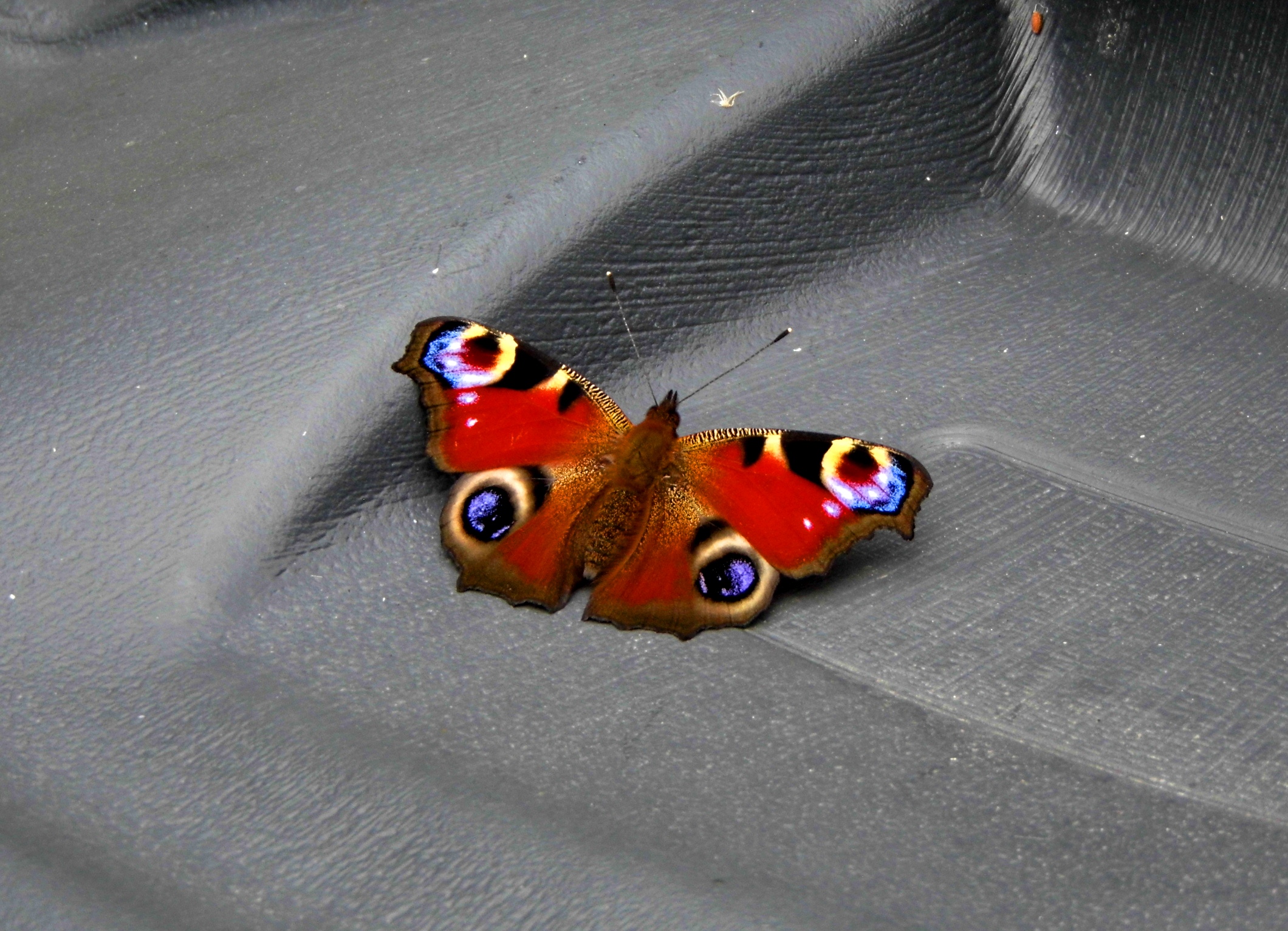
A large patch of ancient deciduous woodland with several localised butterfly species, such as the White Admiral, Silver-washed Fritillary and Small Pearl-bordered Fritillary. Other commoner species include the Holly Blue, Gatekeeper, Comma, Brimstone, Large and Small Skippers and the Peacock. Nightjars are regular summer visitors.
Thurlbear, Somerset:
An old quarry which has been reclaimed by nature, with a rich variety of plants and insects. Butterflies of note include the Brown Hairstreak, Brown Argus, Common Blue, Brimstone and Silver-washed Fritillary.
Blackdown Hills, Devon:
An Outstanding Area of Natural Beauty (AONB) with small patches of heath and traditionally-managed farmland. On the heaths Slow Worms, Grass Snakes and the odd Adder can be seen in summer. Tawny and Barn Owls can be heard calling at night. A large variety of butterflies can be seen, including the Marbled White, Brimstone, Small Copper, Common Blue, Holly Blue, Silver-washed Fritillary, Comma, Gatekeeper and the odd Grayling. Bees of interest include the Tree Bumblebee, Vestal Cuckoo Bee and Field Cuckoo Bee. Wasps include the Hornet and Median Wasp.
Westbury Beacon, Somerset: A grassy hillside reserve situated in the Mendip Hills. Calcareous soils underfoot support a wide range of plants, such as Marjoram, Horseshoe Vetch, Field Scabious and Greater Knapweed. Butterflies at the site include the Common Blue, Chalkhill Blue, Marbled White, Dark Green Fritillary and Grizzled Skipper. What I believe to be Roe Deer also occur at the site.
Portugal:
Tavira area, Algarve region:
A mixture of Eucalyptus plantations, Orange and other fruit tree groves and Maquis, with a wide variety of Mediterranean plants, birds and insects. Cistus species and Lavender line the hillsides, with Oleander, Rosemary, Sage and various thistle species also flowering in summer. Birds include the Rufous Bush Robin, Azure-winged Magpie, Red-legged Partridge, Greater-spotted Woodpecker and Sardinian Warbler. Insects are numerous and varied, with various species of mantis, grasshopper and wasp being present. Butterflies in summer include the Bath White, Clouded Yellow, Small Copper, Southern Brown Argus, Southern Blue, Southern Gatekeeper, Sage Skipper, False Mallow Skipper and Red-underwing Skipper.
Cachopo Hills, Algarve region:
Remote hills in the Barrocal area with dense Cork Oak woodlands and Maquis. Golden Orioles are the standout species of bird. Butterflies in summer include the Sage Skipper, Tree Grayling, Striped Grayling, Dusky Heath and Southern Blue. Knapweed Fritillaries and Spanish Marbled Whites fly here in spring.
Querenca area, Algarve region:
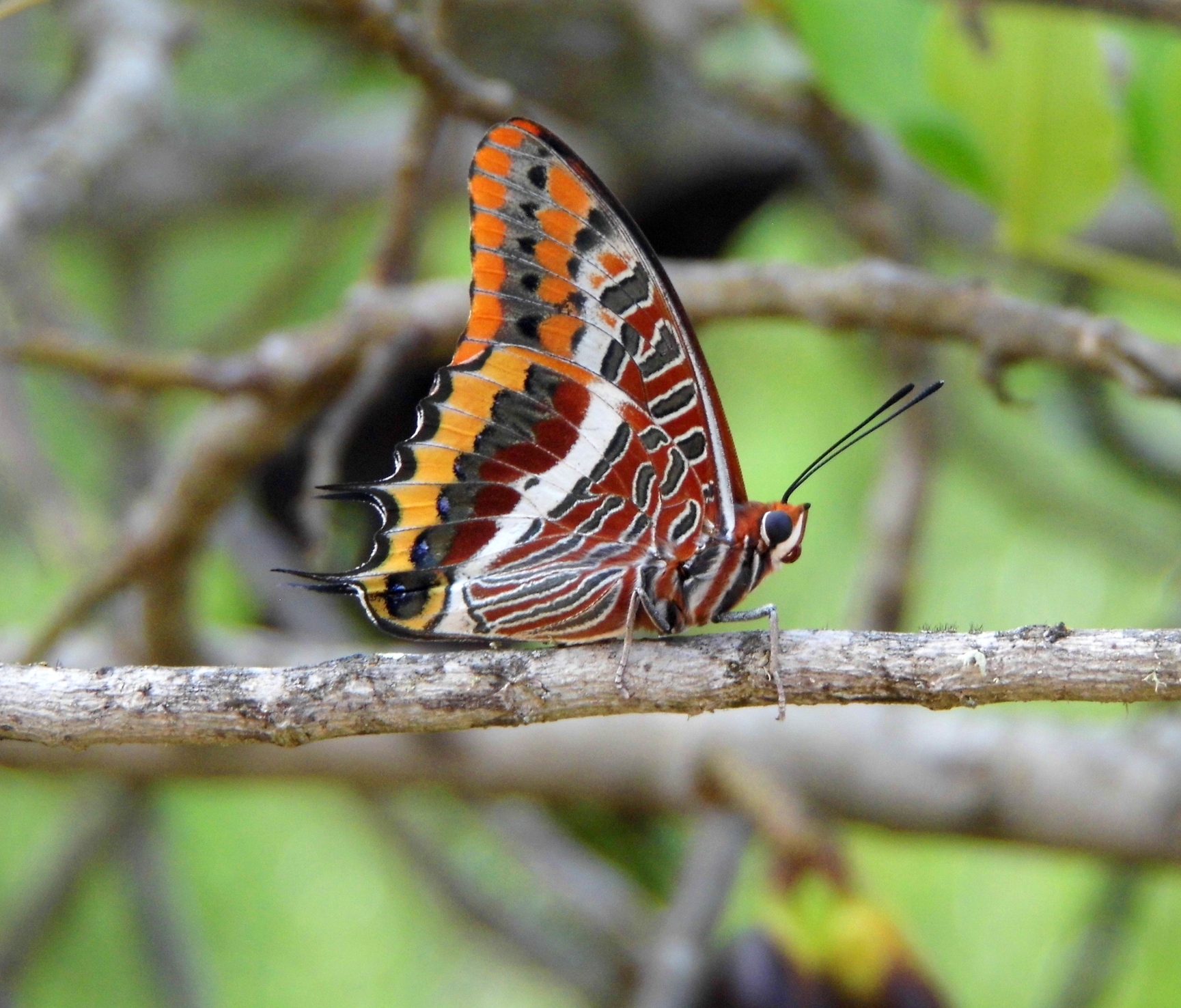
In some of the nearby valleys grow thick groves of Mediterranean plants, rich in bird, insects and pond life. The area hosts several orchid species in spring, most notably several Ophrys orchid species, like the Mirror Orchid. Summer butterflies include the European Swallowtail, Cleopatra, Clouded Yellow, Purple Hairstreak, Southern Blue, Two-tailed Pasha and False Mallow Skipper. The Marsh Fritillary and Spanish Festoon can be seen here in spring. Iberian Water Frogs and Spanish Turtles inhabit the pools and springs, whilst birds such as the Sardinian Warbler and Golden Oriole can be seen in the shrubbery along the valley.
Cascais and Sintra, Lisbon area:
The rocky coast in this area supports plant species such as Yellow Restharrow, Curryplant, Rock Sampire and the rare Estoril Thrift. The Yellow-legged Gull and Red-legged Partridge are among the list of birds which occur here, whilst insects include the Florentine Wool-carder Bee and the Red Shieldbug. I only witnessed a small portion of the wildlife present here and doubtless there are many more standout species.
Spain:
Maro area, Andalusia:
Coastal town with adjacent areas of dry scrub, brownfield sites and flowery verges which are rich in invertebrates. In gardens and parks the Monarch butterfly can be found, as can the Geranium Bronze, Long-tailed Blue, Lang’s-short-tailed Blue and reportedly the African Grass Blue. In the scrubby areas species such as the European Swallowtail, Small White, Southern Blue, Southern Brown Argus and the local Mediterranean Skipper are present in summer, whilst the Bath White and the rare Desert Orange Tip were present near some of the beaches. Dragonflies include the Violet Dropwing and Keeled Skimmer whilst lizards like the Moorish Gecko and Large Psammodromus are also present.
Frigiliana, Andalusia:
A hilltop town which is surrounded by pine woodland, scrub and rocky meadows. In these areas butterflies that can found include the European Swallowtail, Small White, Clouded Yellow, Small Copper, Long-tailed and Lang’s Short-tailed Blues, Two-tailed Pasha, Large Wall Brown, Wall Brown and Southern Marbled Skipper. The dry riverbeds and more dense areas of pine woodland are inhabited by the Dusky Heath, Striped Grayling and Southern Brown Argus. Plants include typical Mediterranean species such as the Mediterranean Thyme, Grey-leaved Cistus, Oleander and Lesser Tree Mallow to name but a few.
Sierra de Almijara, Andalusia:
This mountain range is made up entirely of limestone and marble, which support a large range of calciole plants and many species of butterfly. At lower altitudes (especially along rivers and in humid valleys) Oleander, Rubus, various Thistles, Anthyllis tejedensis and other plants can be found. At medium and higher altitudes plants such as Field Ernygo, Dianthus broteri, Ground Pine and Onobrychis argentea can be found in certain spots. It is a brilliant area for butterflies especially. In the summer species such as Iberian Scarce Swallowtail, Cleopatra, Southern Small White, Blue-spot Hairstreak, Striped Grayling, Dusky Heath, Red-underwing, Southern Marbled and Lulworth Skippers can be found at the lower levels, whilst at higher altitudes species like the False Ilex Hairstreak, Mountain Argus, Niobe Fritillary, Spanish Gatekeeper, Dusky Meadow Brown and Iberian Marbled White can be found. At specific locations, rarer species like the Mother-of-Pearl Blue, Spanish Chalkhill Blue and Andalusian Anomalous Blue can be found. The mammalian highlight is the Iberian Ibex, whilst birds include the Bee-eater, Eagle Owl, Griffon Vulture and Bonelli’s Eagle.
Portomarin, Galicia:
A hilltop town beside the snaking Embalse de Belesar reservoir with meadows and copses nearby supporting a good variety of insects. Butterflies found in the meadows include the Clouded Yellow, Short-tailed Blue, Southern Brown Argus, Provencal Fritillary, Dark Green Fritillary, Iberian Marbled White, Essex Skipper and Mallow Skipper. Birds include the Serin, Corn Bunting and Yellowhammer whilst the flowers here include the Musk Mallow, Greater Knapweed and Ox-eye Daisy.
Palas de Rei, Galicia:
A small town with nearby areas of scrub, farmland and meadows. The areas of scrub are particularly good for butterflies in the area and whilst I was there I managed to find Pearly Heaths, Marbled Fritillaries, Long-tailed Blues and White Admirals, Graylings, Short-tailed Blues and Silver-washed Fritillaries.
Arzua, Galicia:
Another hilltop town beside conifer plantations and farmland. Nearby hedgerows are filled with wildflowers, such as Greater Knapweed and White Clover, which attracts butterflies such as the Brimstone, Iberian Marbled White, Geranium Bronze and Large, Small and Essex Skippers.
Croatia:
Zadar, Dalmatian Coast:
A large coastal town with pine wood and scrub on its outskirts, supporting a wide variety of birds, animals and insects. Butterflies include an interesting mix of eastern European and Mediterranean species, such as the European and Scarce Swallowtails, Eastern Bath White, Clouded Yellow, Southern Small White, Lang’s Short-tailed Blue, Holly Blue, Southern White Admiral, Spotted Fritillary, Cardinal, Tree Grayling, Great Sooty Satyr and Orbed Red Underwing Skipper. Reptiles include the Hermann’s Tortoise and the Balkan Green Lizard, found in stony areas near hedgerows. Birds were scarce in the summer, but I managed to find a small family of Quail.
Paklenica National Park, Velebit Mts:
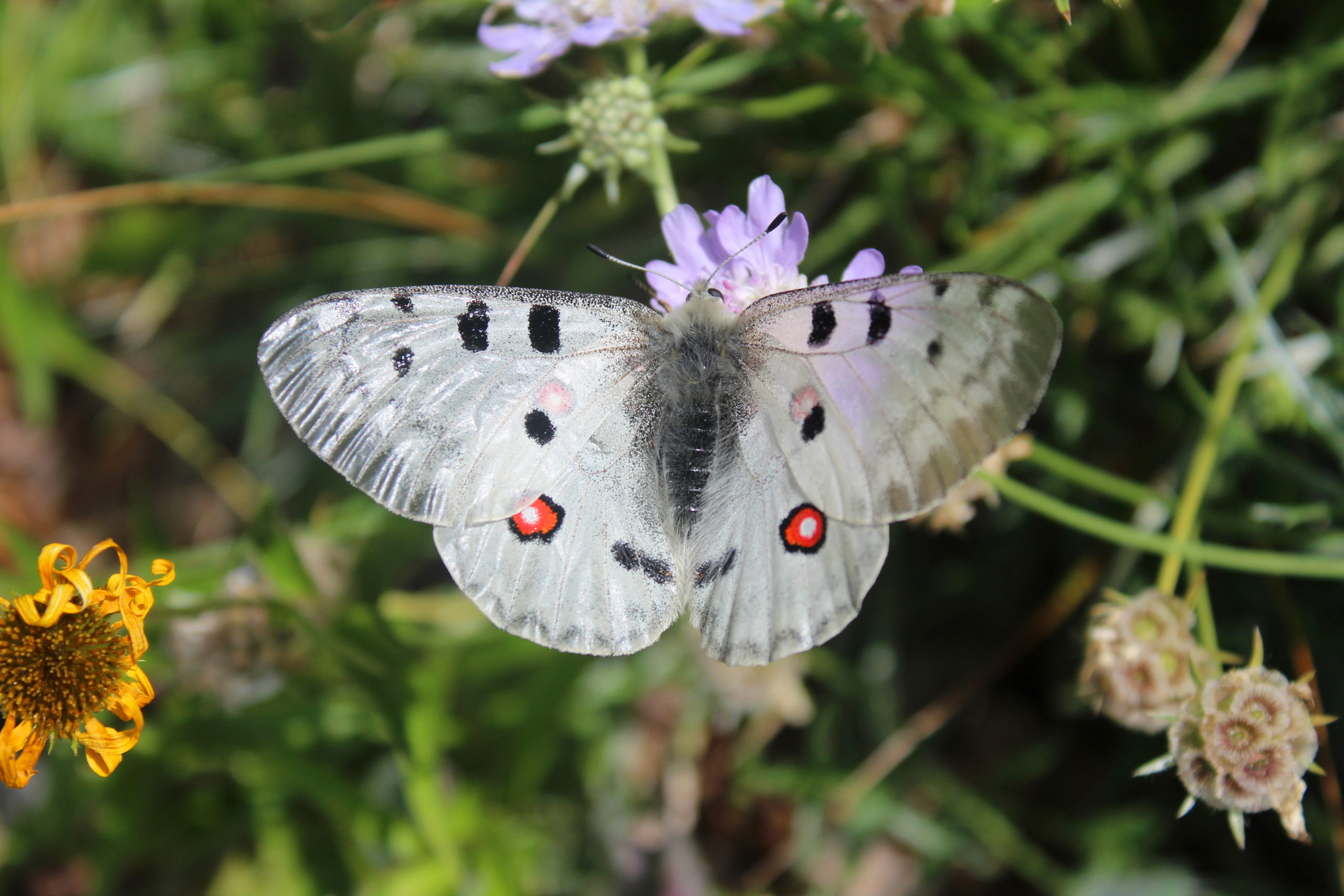
A large mountainous area of karst rock, with Beech and Pine woods and alpine meadows with a stunning variety of butterflies. Also inhabited by several large mammals, birds and wildflowers. Chamois, Wild Boars, Grey Wolves, Brown Bears and the odd Lynx inhabit the woodlands and more remote hillsides, whilst Roe Deer inhabit the entire park. There are reportedly 23 species of bat found in the park. Bird species number over 100, with the Blue Rock Thrush, Scops Owl, Eagle Owl, Short-toed Eagle, Chough, Crag Martin, Rock Nuthatch, White-backed and Three-toed Woodpeckers being of particular interest. Snakes include the Balkan Whip Snake, Aesculapian Snake as well as the venomous Horned and Orsini’s Vipers. The brightly-marked Fire Salamander also inhabits the area. Butterflies include the European Swallowtail, Mountain Small White, Blue-spot Hairstreak, , Meleager’s Blue, Chequered Blue, Chalkhill Blue, Southern Comma, High Brown, Niobe and Queen of Spain Fritillaries, Large Wall Brown, Great Sooty Satyr and Mallow Skipper, as well as several species restricted to mountains and hilly areas: Apollo, Eros Blue, Scotch Argus, Ottoman Brassy Ringlet, Silky Ringlet and Black Ringlet.
Romania
Apuseni Mountains, Transylvania:
A large area of the Western Carpathians comprising of traditionally managed hayfields and dense areas of deciduous and coniferous woodland. The meadows are rich in wildlflowers such as various Orchids, Thyme, Kidney Vetch, Bellflower, Ragged Robin and Germander Speedwell which provide habitat for insects and spiders such the Rose Chafer, Dock Bug, Wood Ant, Field Cricket, Mole Cricket and Green Huntsman Spider. Birds are abundant and some of the commoner species include the Yellowhammer, Bullfinch, Cuckoo, various Woodpeckers, Sparrowhawk, Chiffchaff, Wood Warbler and Pied Wagtail. In some of the rivers or small marshy pools Common and Agile Frogs, Yellow-bellied Toads and Great Crested Newts can be found. Roe Deer exist in the woods whilst Foxes and Hares can be seen in the meadows. Butterflies include the Grizzled Skipper, Camberwell Beauty, Small Pearl-bordered and Heath Fritillaries, Woodland Ringlet, Sooty Copper, Fenton’s Wood White, Short-tailed Blue and Eastern Baton Blue.
Cluj-napoca:
The hills to the north of Cluj are comprised of a mix of cultivated fields, heath, meadows, woodland, steppe and scrub. Birds found here include the Red-backed Shrike and Whitethroat. Plants include Nodding Sage, Loveyanus Thyme, German Pink, Sea Grape, Spring Saffron, Steppe Lilly and Steppe Knapweed. Animals found in the area include the Moor Frog, the rare Hungarian Meadow Viper and Little Owl. Populations of rare butterfly exist here, with species such as the Spinose Skipper, Tessellated Skipper, Large Copper, Bavius Blue, Eastern Short-tailed Blue, Osiris Blue, Balkan Zephyr Blue, Large Blue, Scarce Large Blue, Dusky Large Blue, Lesser Clouded Yellow, Scarce Fritillary and Assmann’s Fritillary in addition to around 90 or so commoner species.
France
Cirque de Gavarnie, Pyrenees
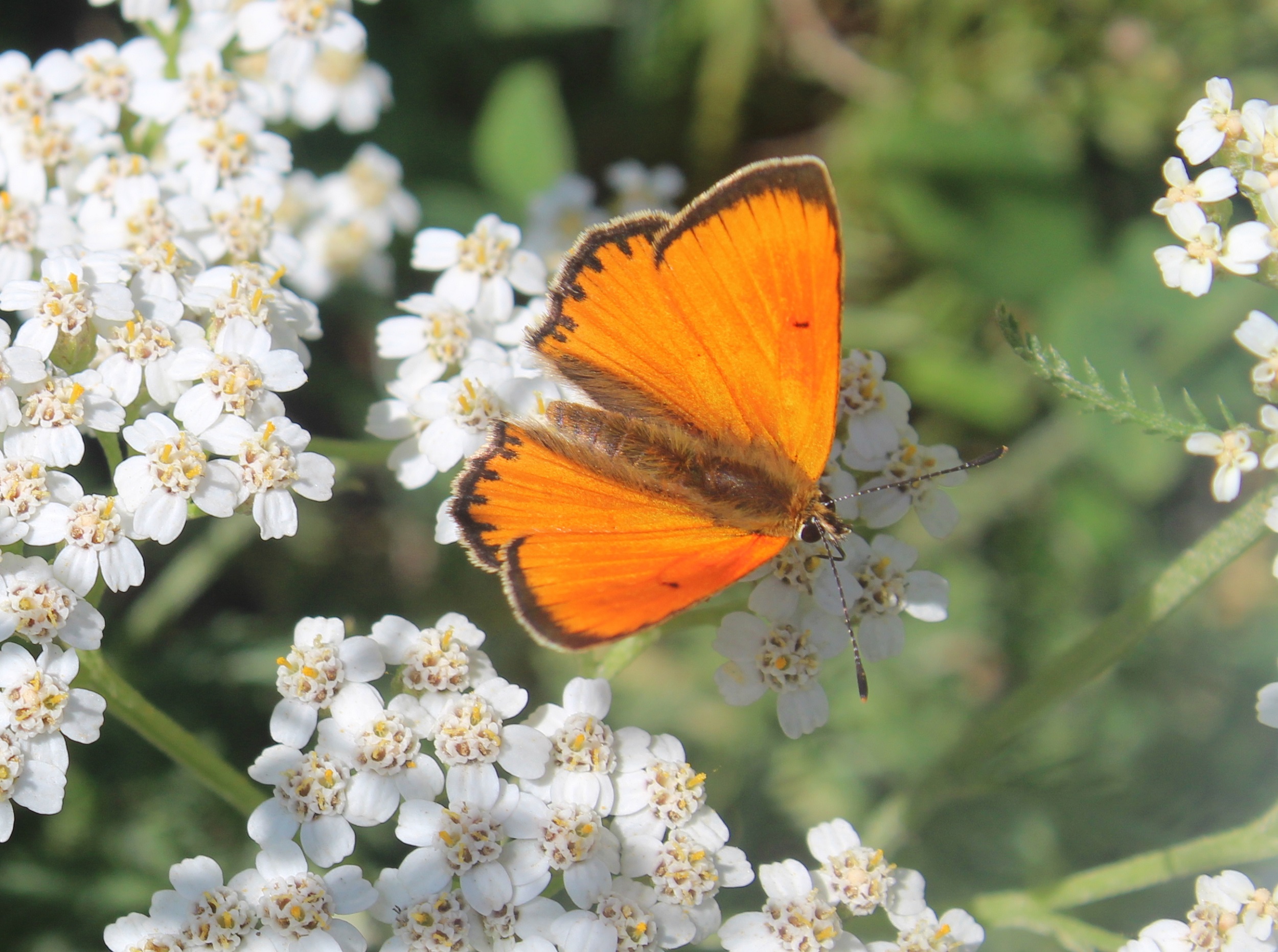
The Cirque de Gavarnie is a massive rocky amphitheatre situated in the heart of the High Pyrenees in southwest France. It supports a huge variety of plant life including a number of rare and endemic species such as Pyrenean Saxifrage, Alpine Aster, St Bruno’s Lily, Edelweiss, Pyrenean Columbine and many others. Birds include the Citril Finch, Alpine Chough, Alpine Accentor, Wallcreeper, Crag Martin and Rock Thrush. The butterfly list is extensive, but highlights include the Scarce and Purple-edged Coppers, Large Blue, Turquoise Blue, Niobe, Lesser Marbled and Meadow Fritillaries, Mountain Ringlet and Piedmont Ringlet. In the general area Marmots and Chamois exist along with the Pyrenean Desman and Pyrenan Brook Salamander.
Val d’Ossoue, Pyrenees
The Val d’Ossoue is a long valley extending westwards from the village of Gavarnie towards the peak of Vignemale on the French-Spanish border. It encompasses a diverse range of habitats including damp and dry meadows, woodland, sub-alpine and alpine grassland and rocky scree. Plants include the Houseleek, Rock Jasmine, Pyrenean Iris and St Bruno’s Lily. The birdlife is rich and includes many rarer species, particularly the Lammergeier, but also the Griffon Vulture, Rock Thrush and Short-toed Eagle. It holds a fantastic range of butterflies and is one of the best butterfly spots I’ve ever been to. Species of note include the Apollo, Clouded Apollo, Scarce and Purple-shot Coppers, Large Blue, Amanda’s Blue, Escher’s Blue, Turquoise Blue, Mazarine Blue, Glandon Blue, Eros Blue, Gavarnie Blue, Lesser Marbled Fritillary, Meadow Fritillary, False Heath Fritillary, Spotted Fritillary, Piedmont Ringlet, Common Brassy Ringlet and Yellow-spotted Ringlet, Large Grizzled Skipper, Marbled Skipper and Olive Skipper. Other insects include the Sulfur Owlfly.