Our natural environments and the wildlife which dwells there are very sensitive to climatic conditions, particularly temperature, light and rainfall. Many organisms are specially adapted to survive in areas which are cold, damp, hot or dry, and everything in between. Whether we’re talking about trees or birds, butterflies or frogs, most adapt their lifecycles so that key events like mating, hibernation, pupation, nest-building and flowering occur at times when the climatic conditions are most suitable and they are very often in sync with one other.
This April in Ireland and indeed other parts of Europe has been exceptionally warm and dry, with temperatures of 20°C recorded and no rainfall for over 5 weeks. This type of weather is considered good in Ireland in the height of summer, never mind mid spring! The effects of such prolonged dry weather can be seen across the country, of which there are both good and bad.
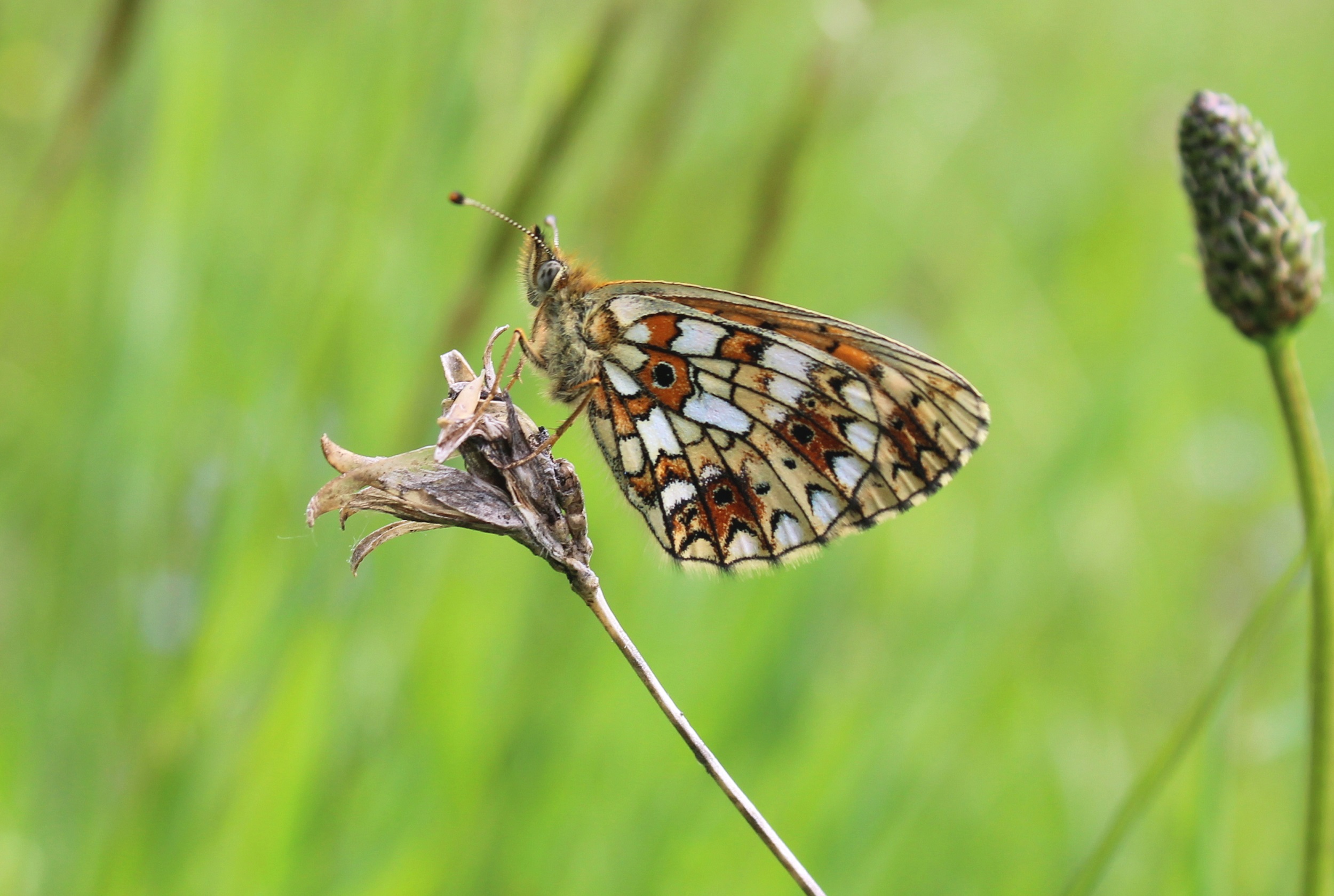
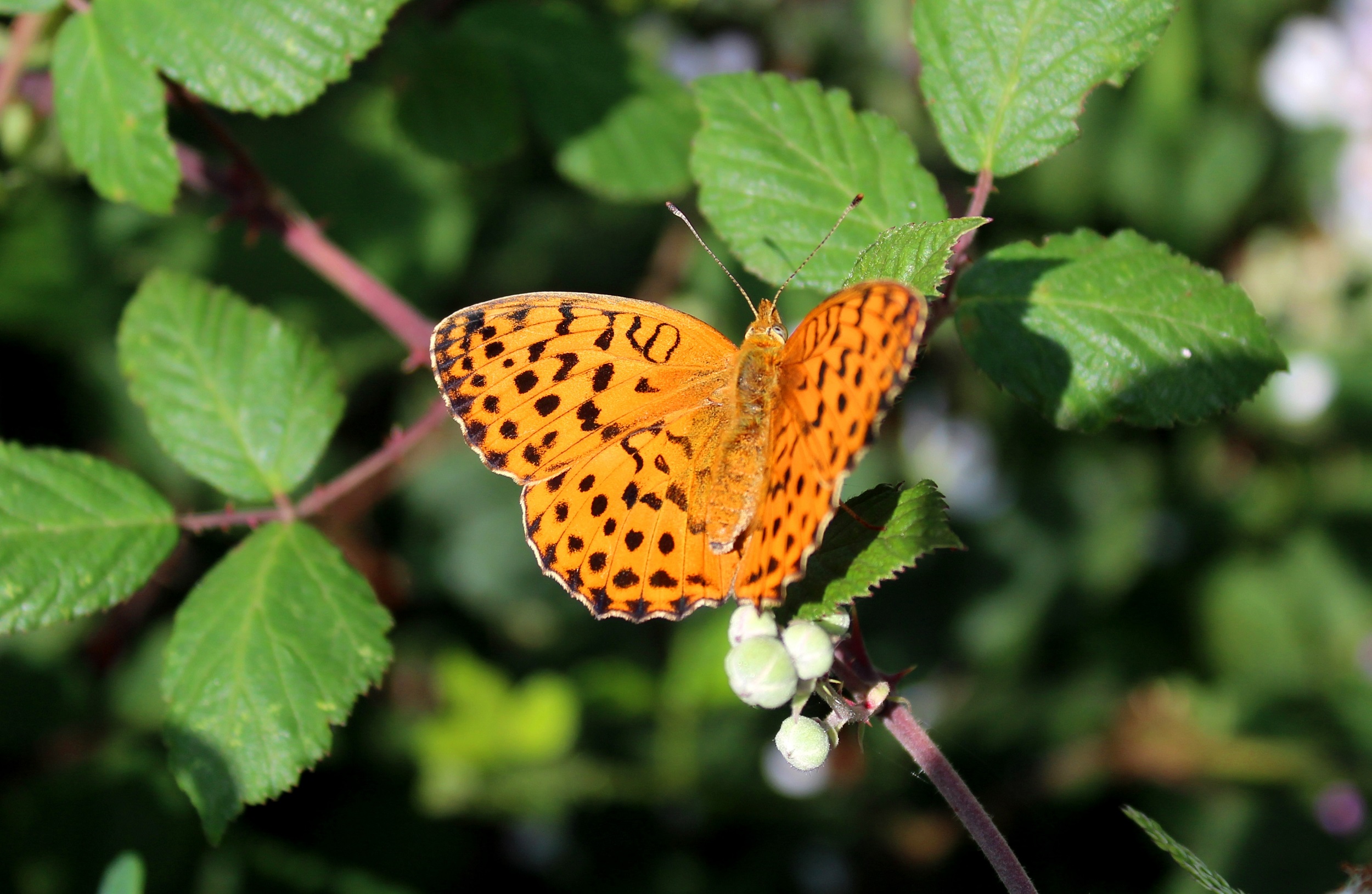
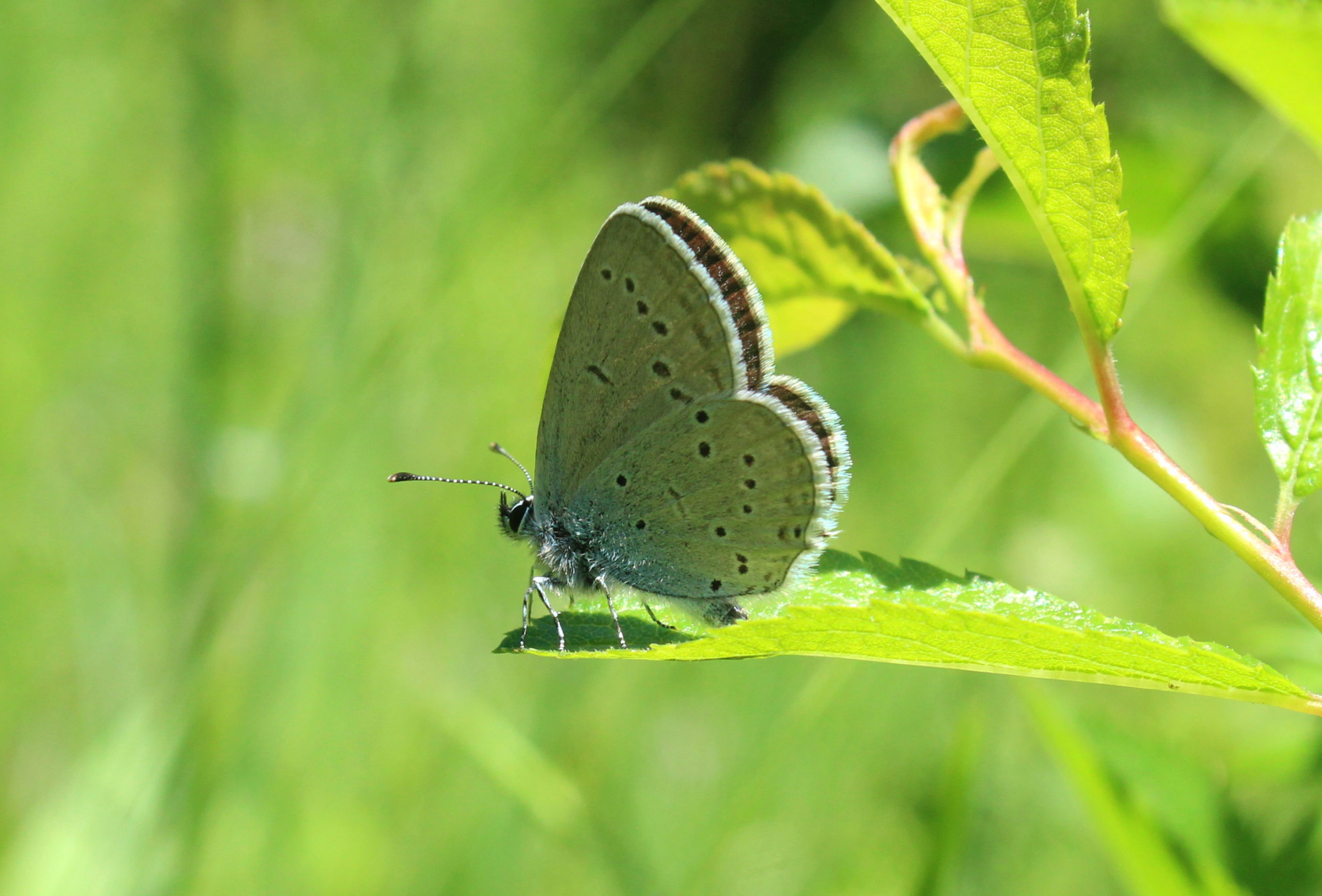
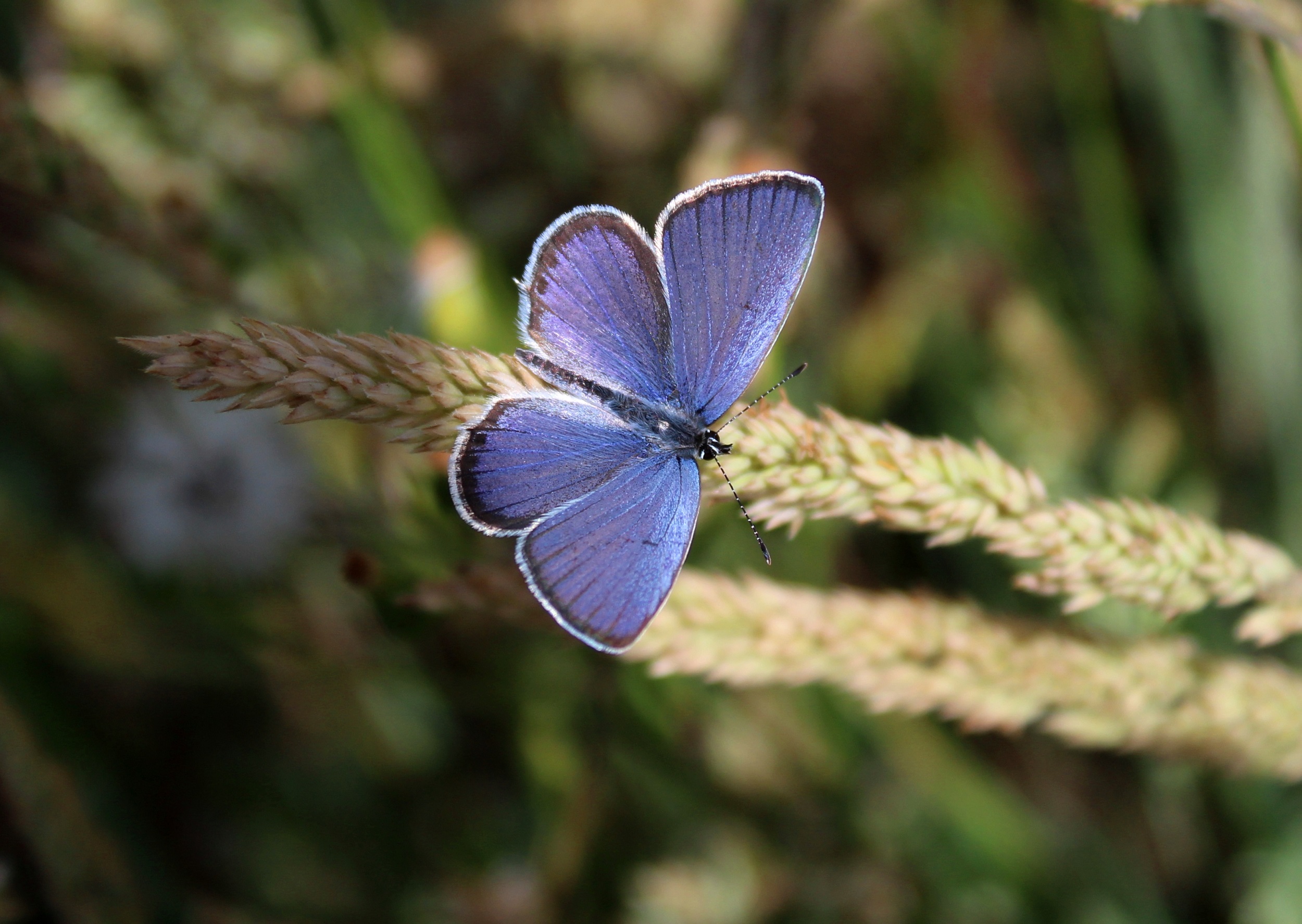
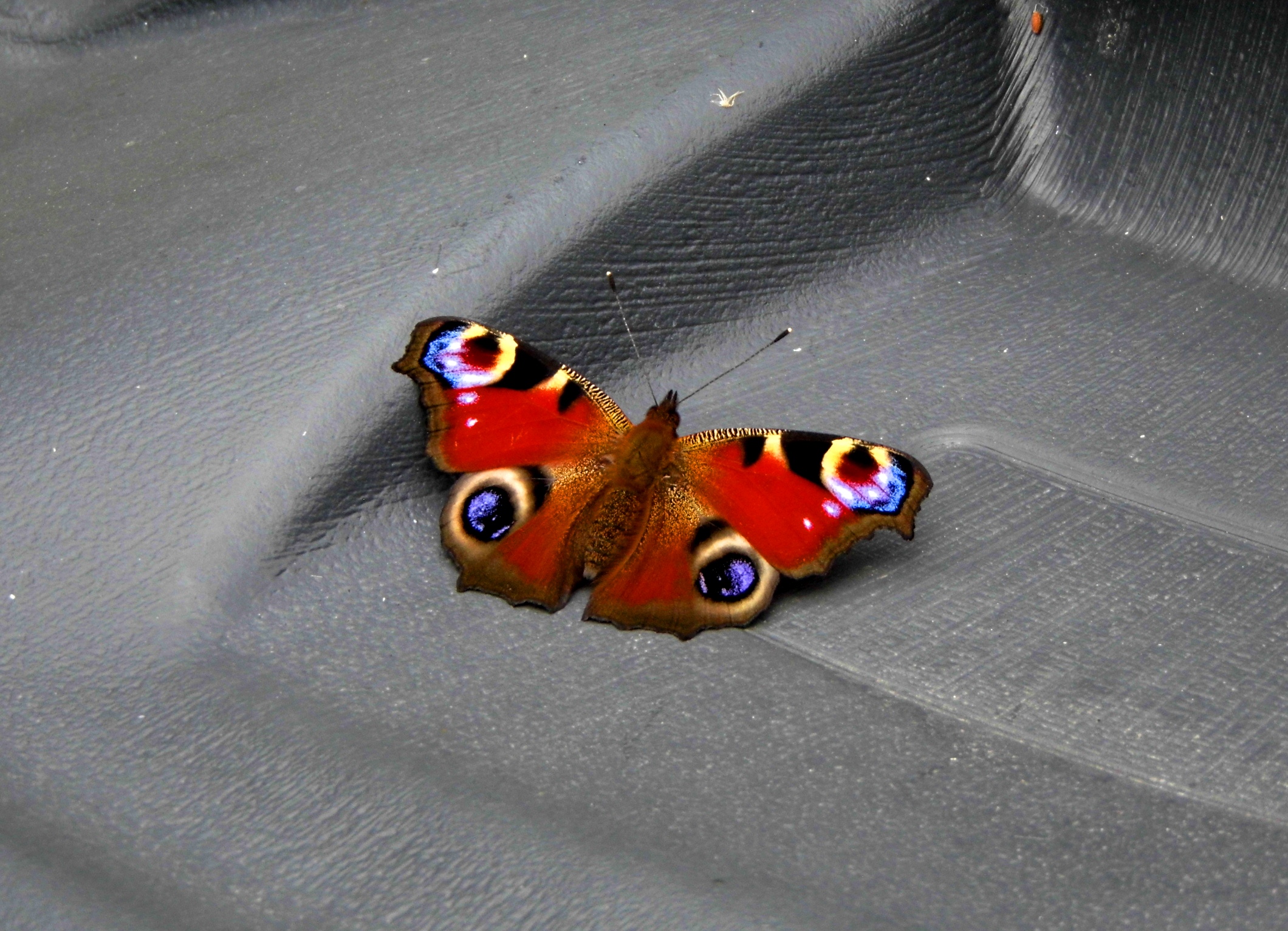
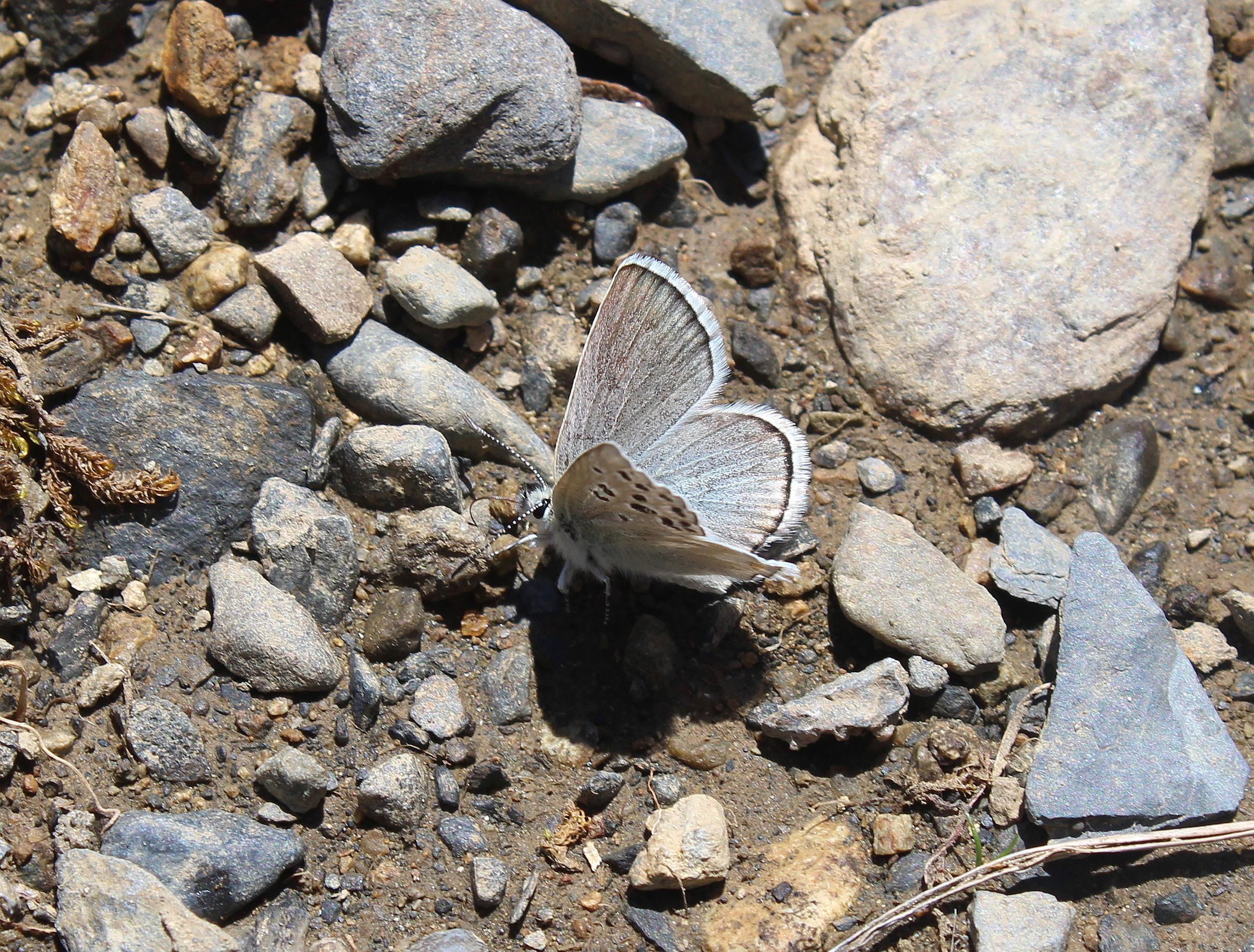
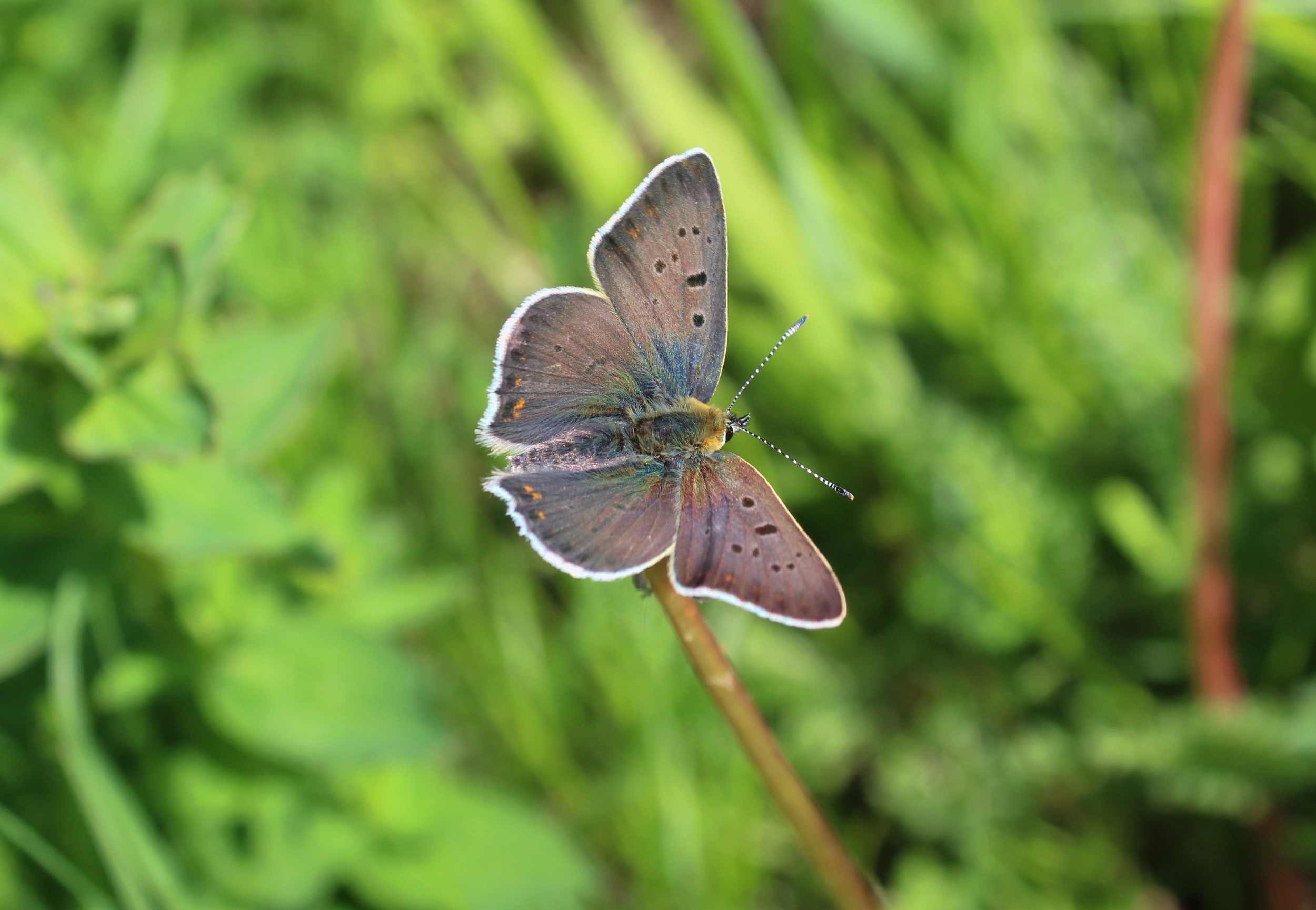
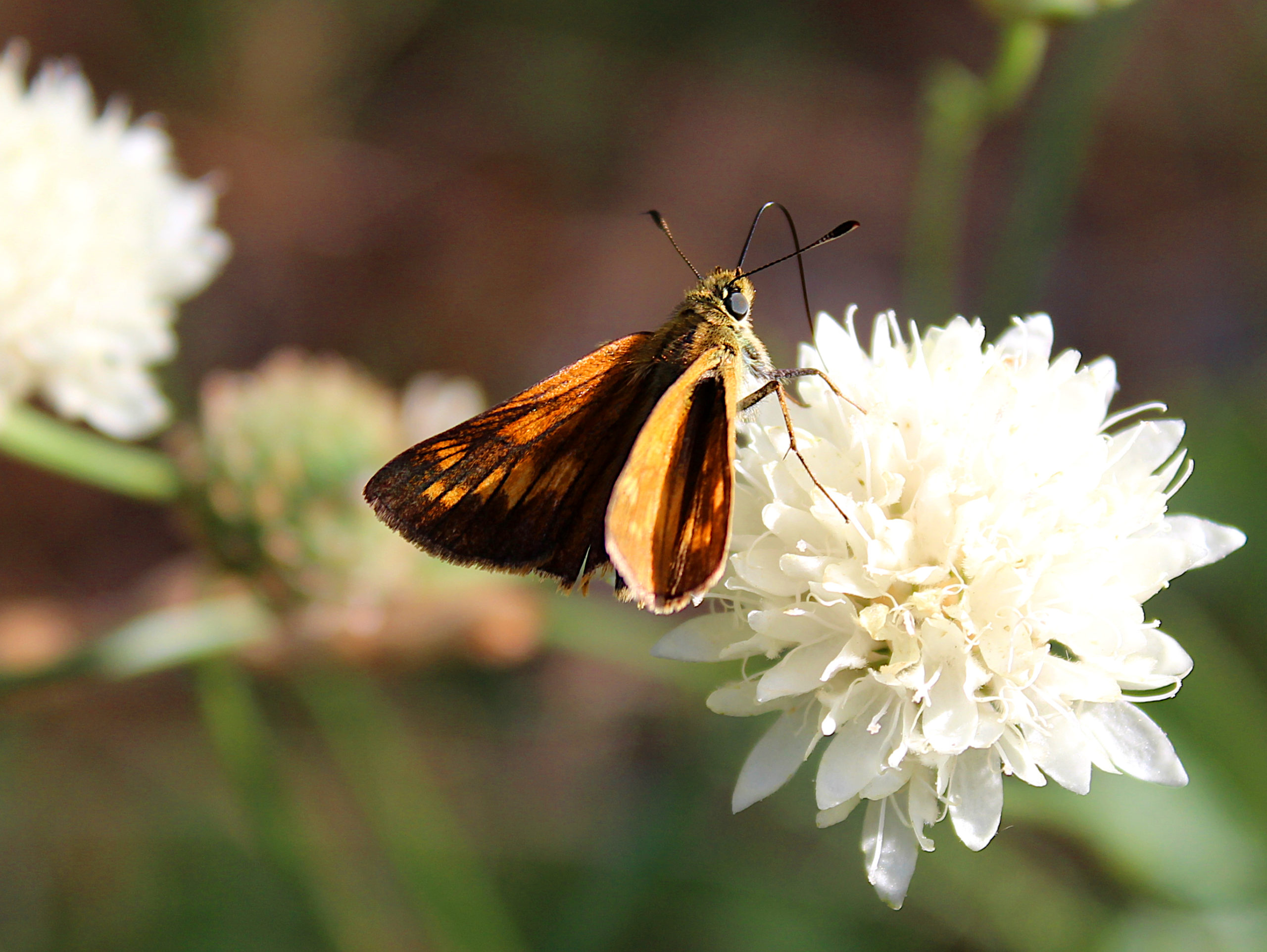
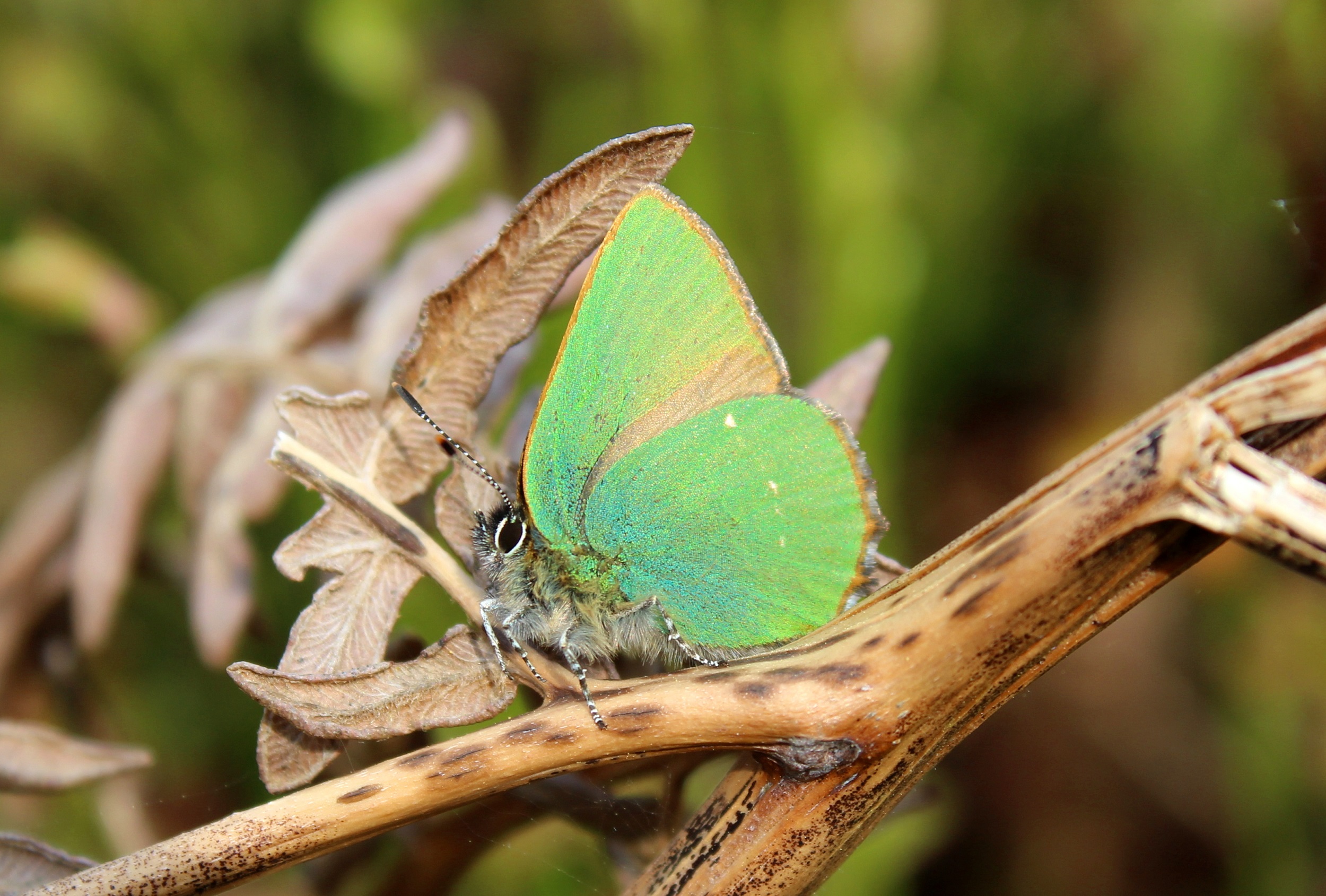
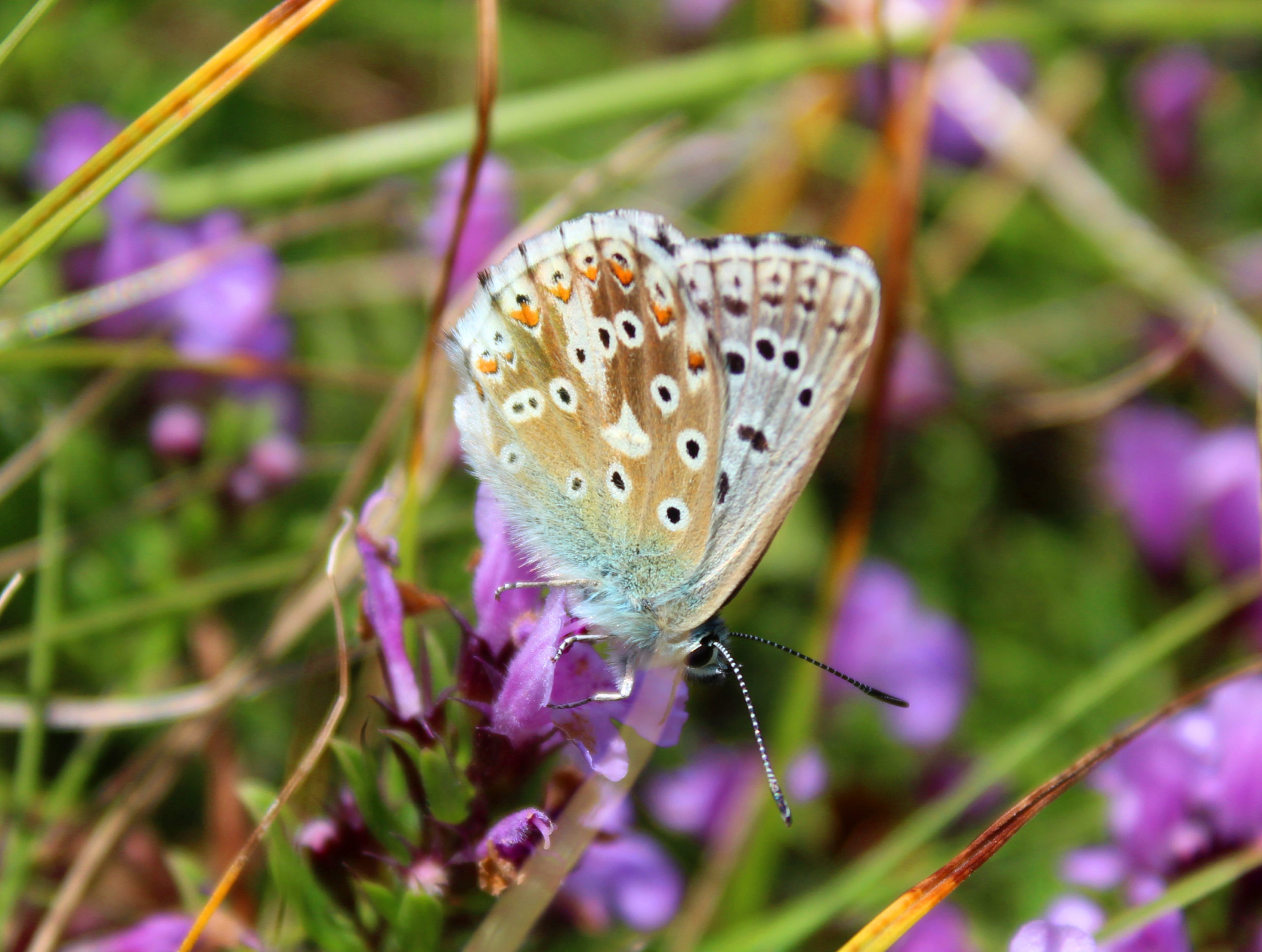
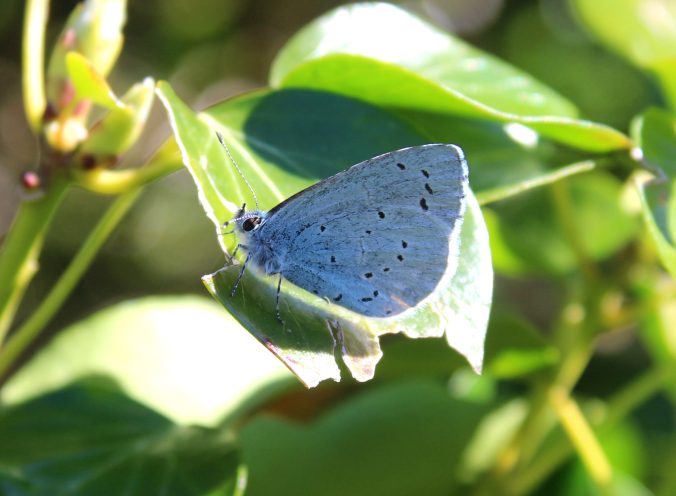
In terms of my favourite group of organisms, butterflies, the effects have been generally good as these sun-loving creatures are more than happy with dry and warm weather. Species such as the Peacock and Small Tortoiseshell that have emerged from hibernation and have been on the wing since March aren’t having to wait for a gap between the typical April showers and are able to forage and bask day after day. More recently-emerged species such as the Green-veined White and the Speckled Wood seem to be doing well too. Numbers of the Holly Blue seem to be down in my garden but I’ve been able to find greater numbers nearby, but only males. Again, the sunshine has resulted in a greater amount of activity and consequently they are easier to find and observe than usual. I observed a Large White in my garden in the fourth week in April, which is the earliest I’ve ever seen this species (warm weather often tempts butterflies outside sooner).
-
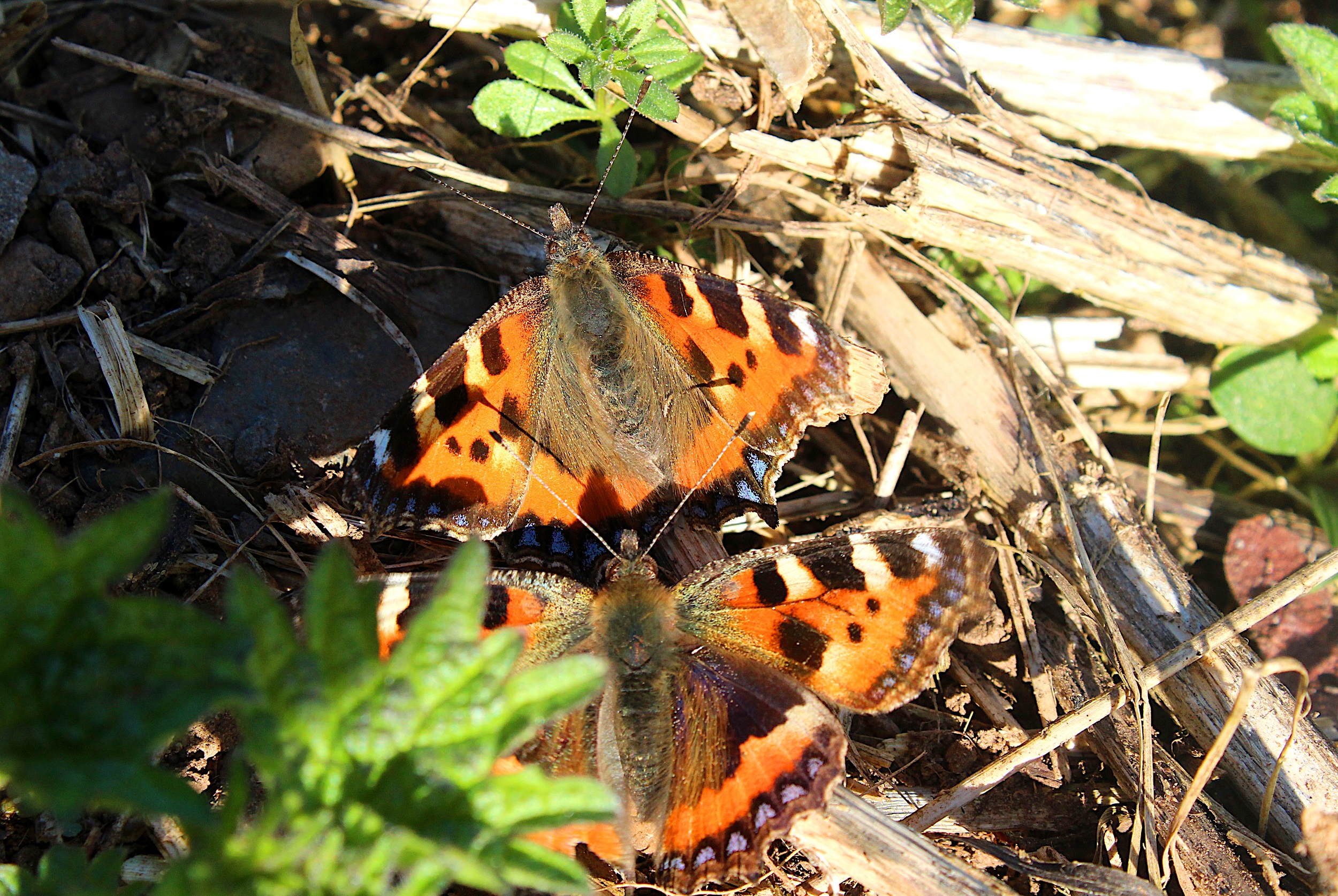
- Small Tortoiseshells, Hillsborough, Ireland, April 2020
-
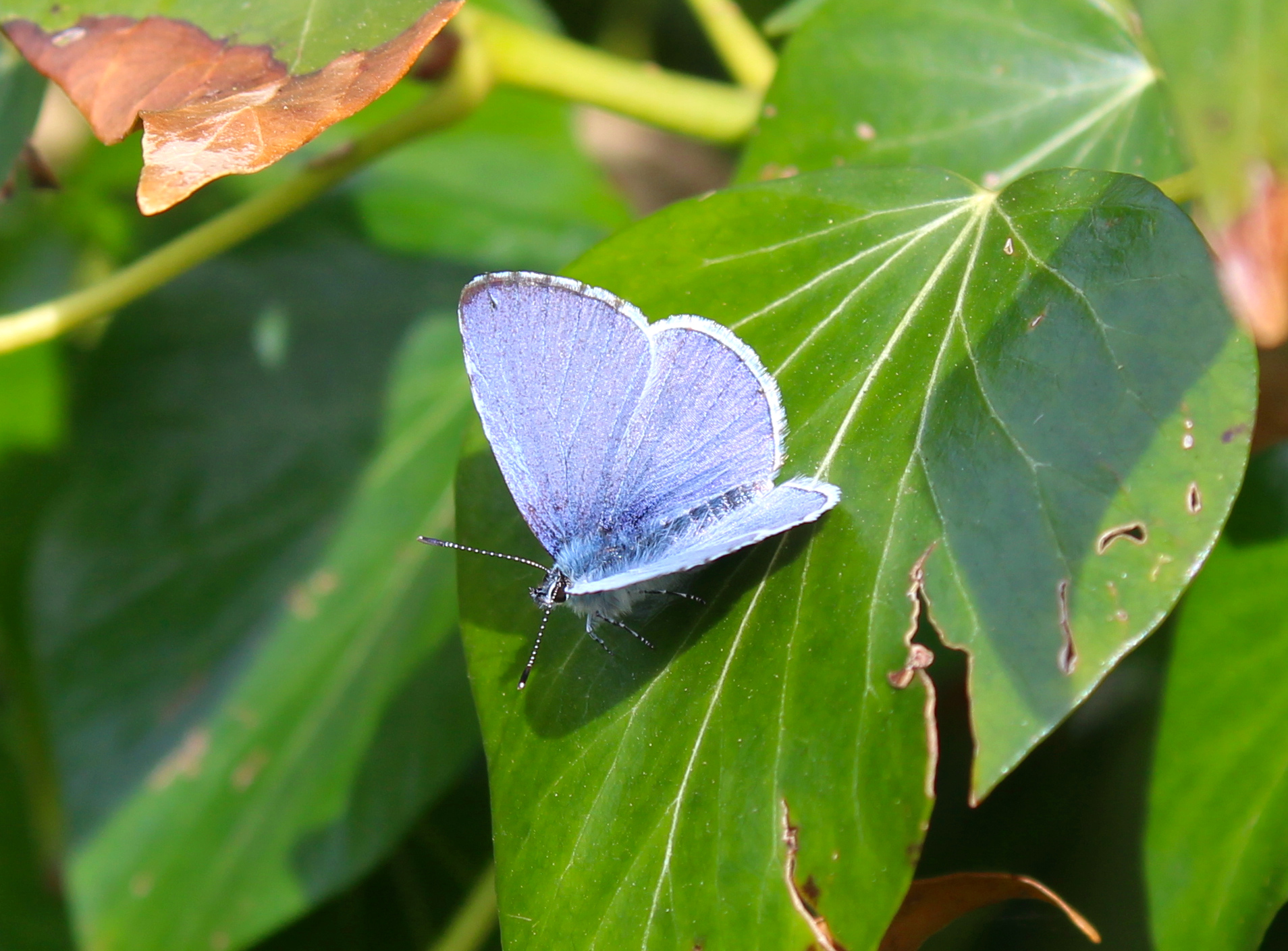
- Holly Blue, Hillsborough, Ireland, April 2020
-
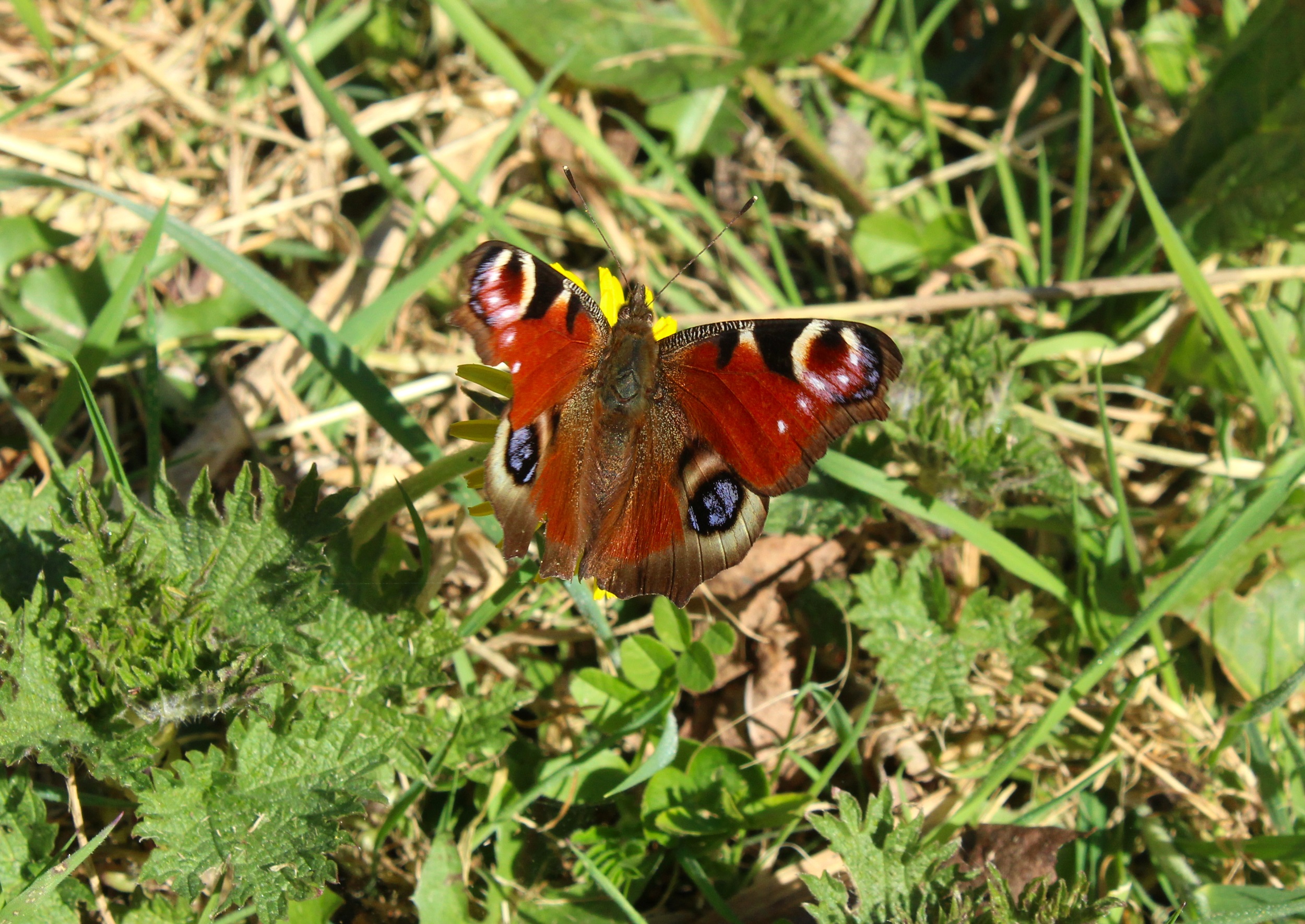
- Peacock, Hillsborough, Ireland, April 2020
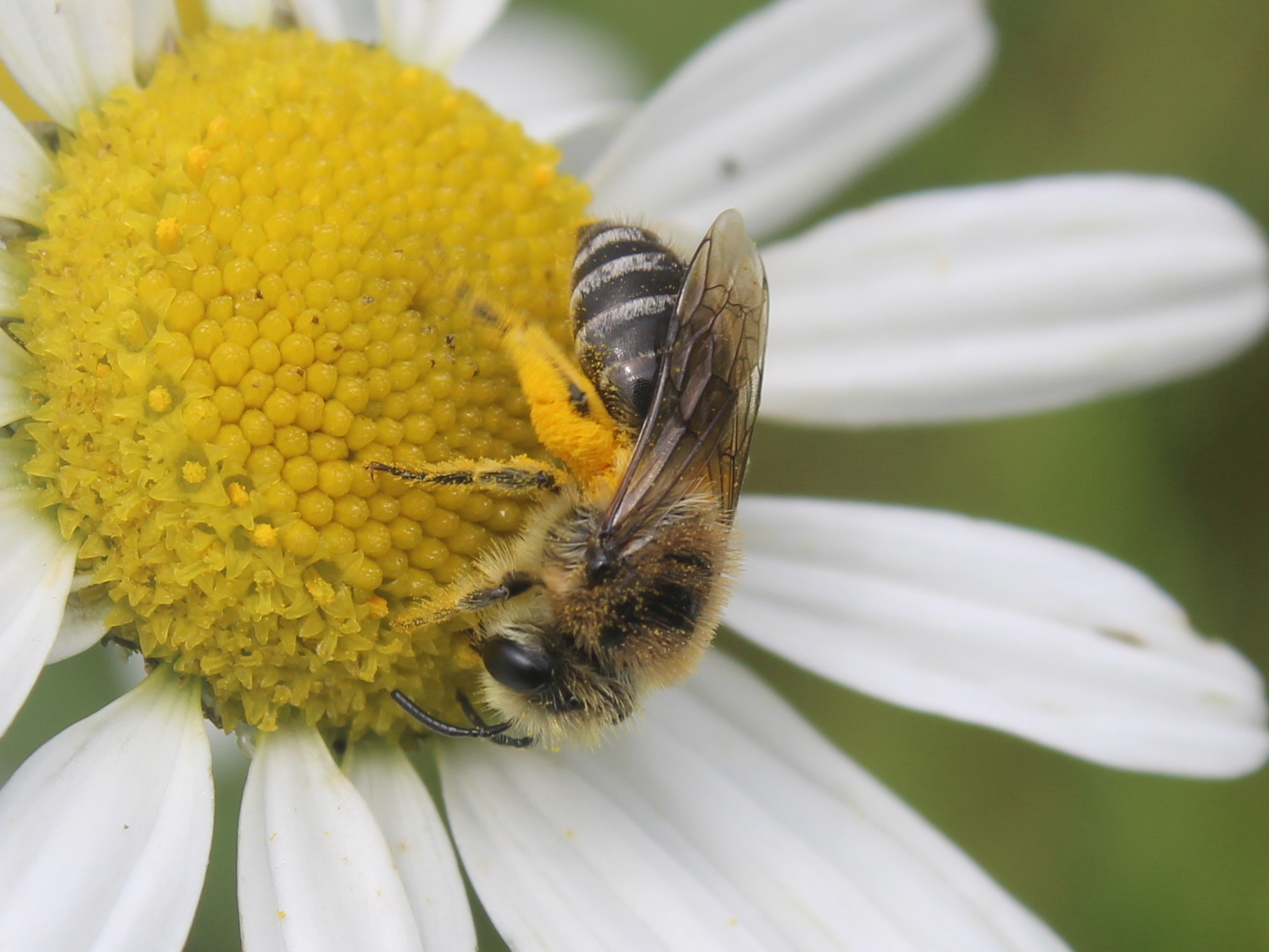
Being cold-blooded organisms, insects in general benefit from warm sunshine. Bees for example are able to spend more time foraging on plants such as Dandelion, Gorse, Willow and Bush Vetch and gather plenty of pollen for their larva. which ultimately will go a long way in increasing their offspring’s chances of survival. A combination of this dry weather and having a lot of free time due to the lockdown have enabled me to do plenty of ‘bug hunts’ and I have been able to find many new species of bee that I was previously unaware of in this area. Is this due to the weather or is it because I’ve taken a greater interest in them and I’m looking at patches of flowers a little closer I wonder? Beetles, shieldbugs, hoverflies and other insects have also been numerous and relatively easy to spot as they are able to go about their business without having to contend with cold snaps and daily deluges.
-
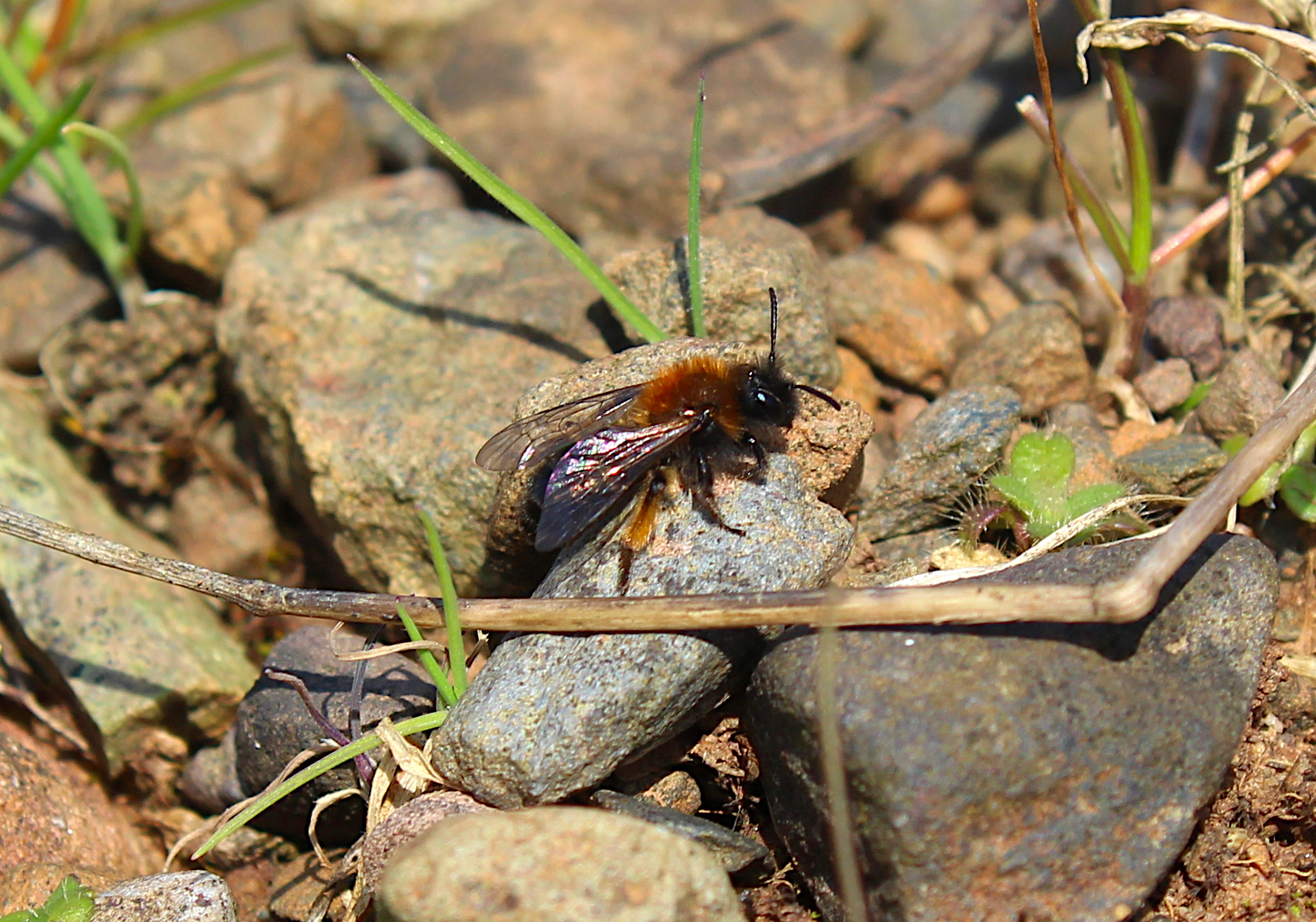
- Gwynne’s Mining Bee (Female)
-
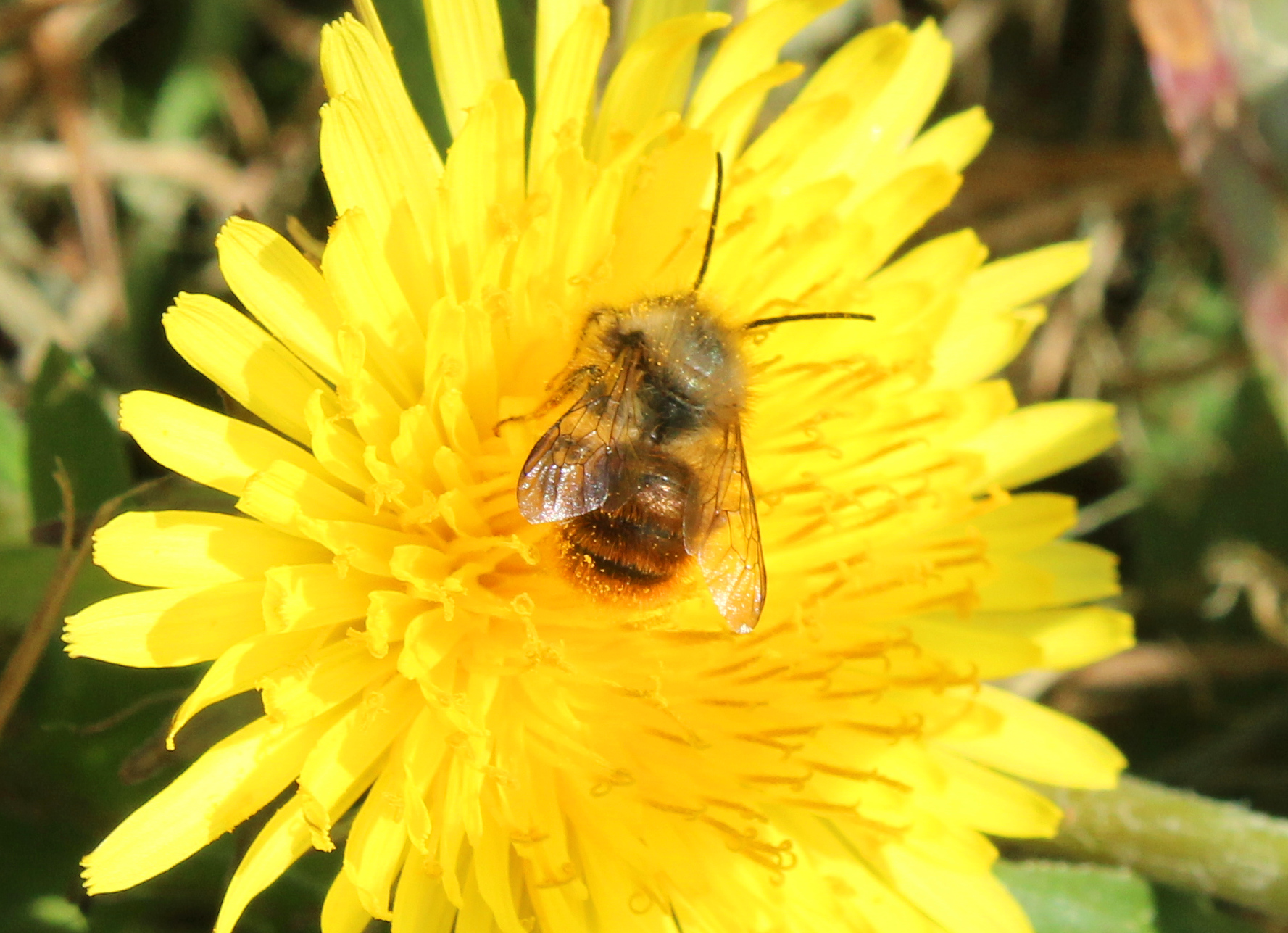
- Osmia bicoris (Male), Co. Down
-
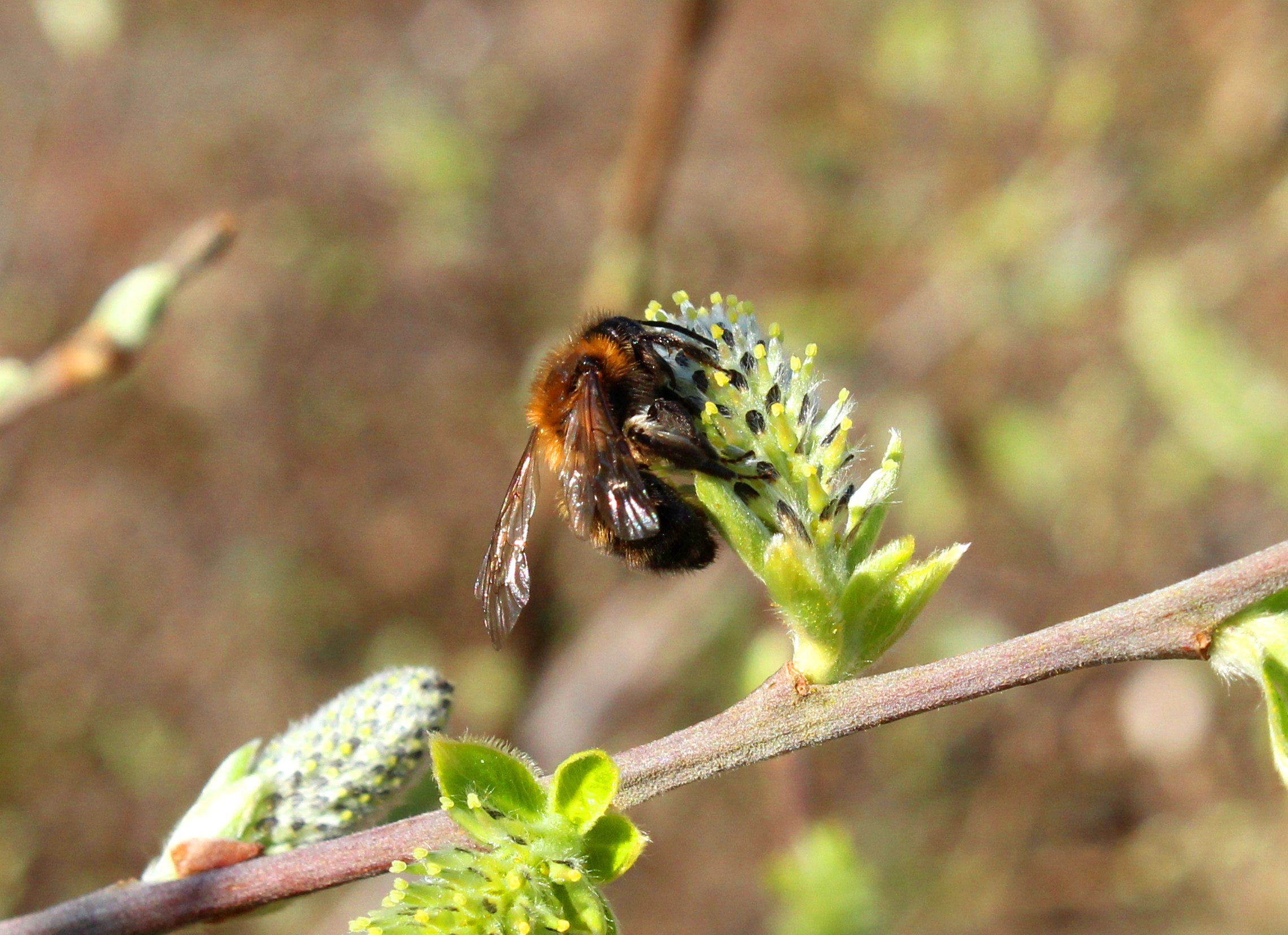
- Painted Mining Bee (Female)
The rabbits which frequent the fields surrounding my house have been playfully running around and basking and I’ve been treated to a few sightings of our local foxes out and about. Birds too seem to be doing well with our regular migrant warblers; Willow Warbler, Blackcap and Chiffchaff are all singing from the thickets trees nearby (no doubt the increased insect activity will benefit them too).
Understandably species which haven’t fared so well are those which have a greater reliance on water. There is a small brownfield site nearby where shallow foundations for a house were laid about 8 years ago, but have since filled with water and are regularly used by the local frogs for spawning. Having seen hundreds of tadpoles there a few weeks ago, I returned recently to find that around 70-80% of the water had evaporated and most of the tadpoles unfortunately were dead. It is a risk that the adult frogs take in spawning in shallow water and I suppose it’s just nature in action, yet I can’t help but pity them to some extent. Then again, the local area couldn’t support hundreds of adult Common Frogs and when a breeding strategy such as this is used and so many offspring are produced, it is inevitable that many won’t make it to adulthood. Hopefully some of those which remain do.
-
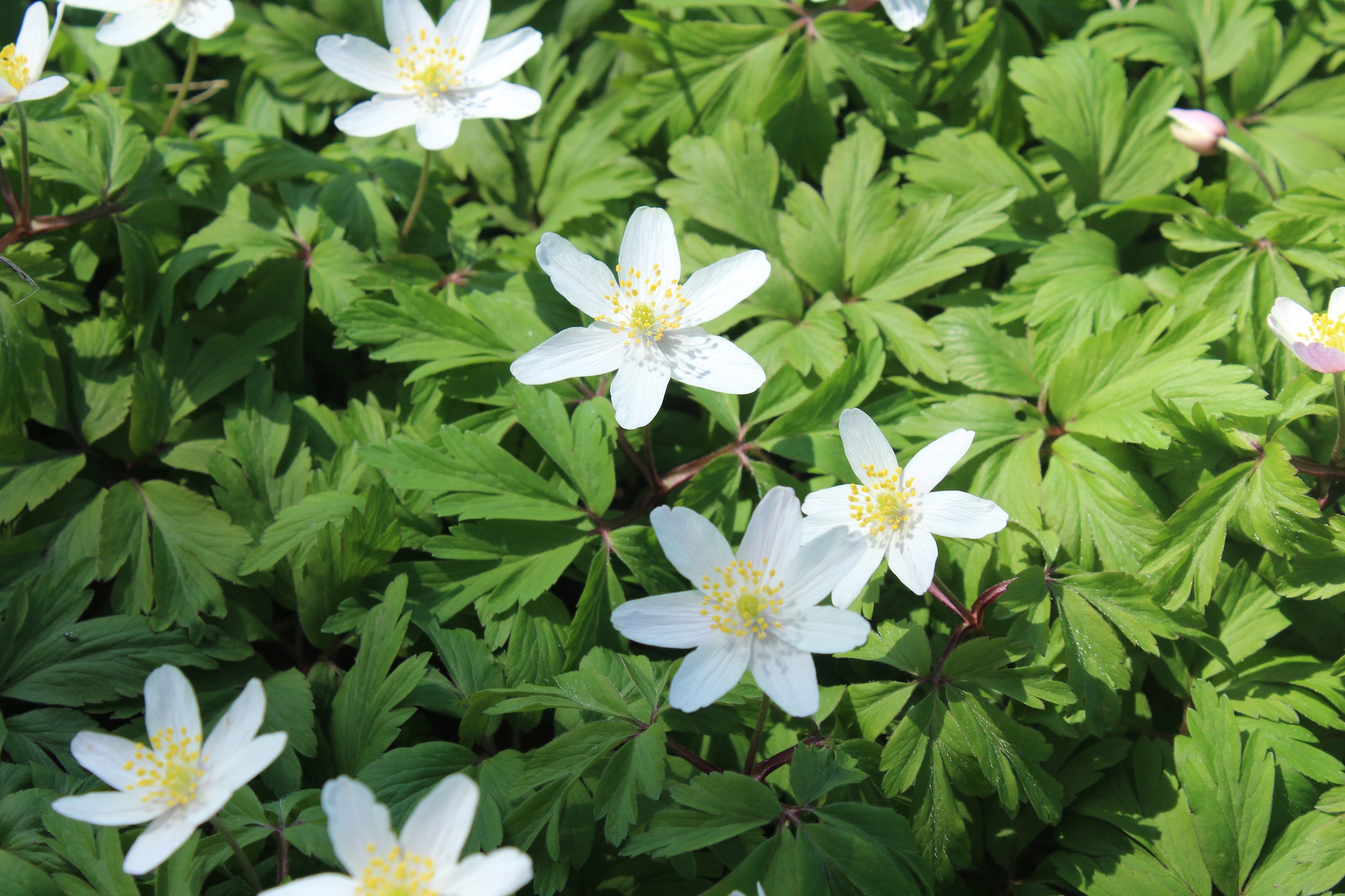
- Wood Anemone, Hillsborough, Ireland, April, 2020
-
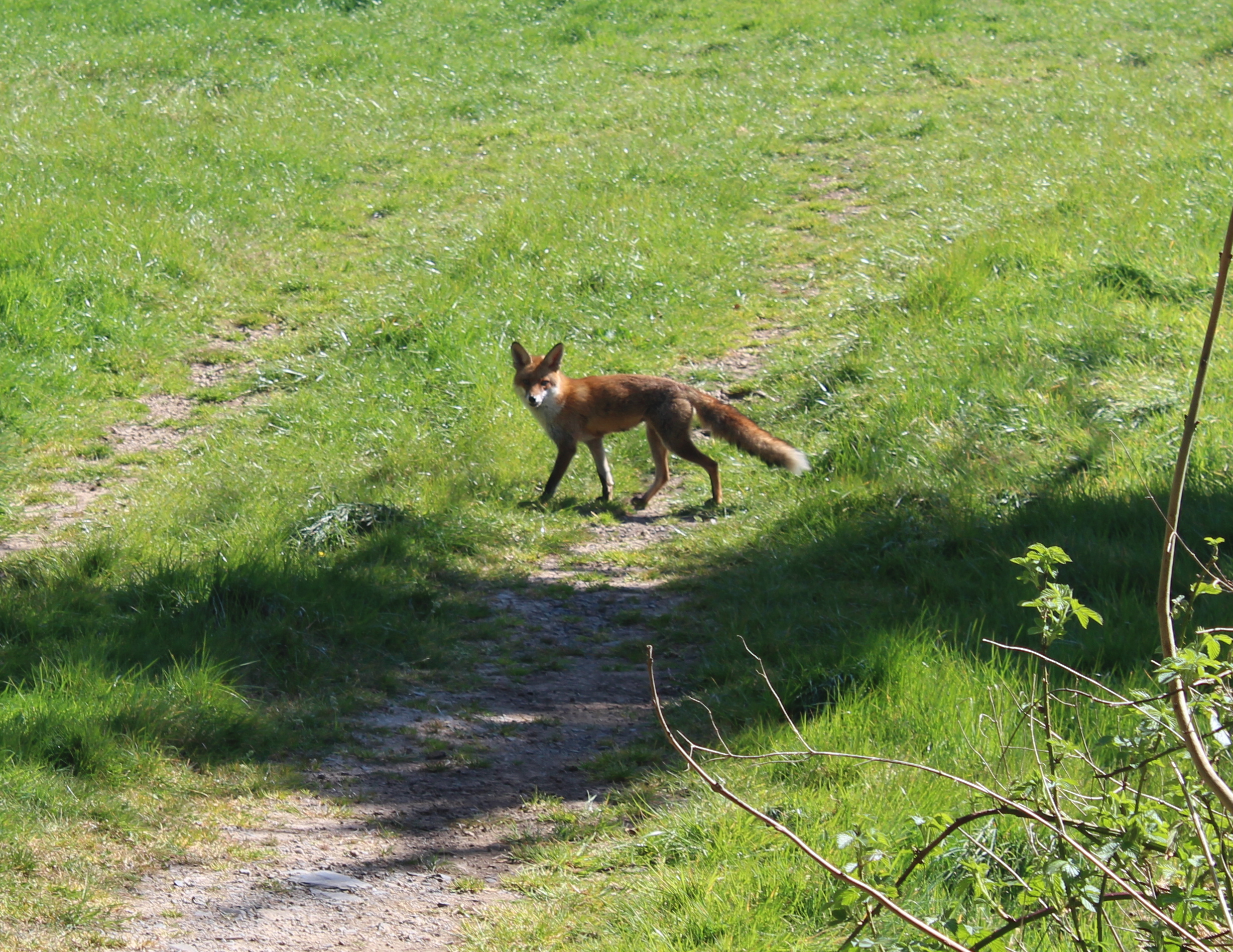
- Red Fox, Hillsborough, Ireland, April, 2020
-
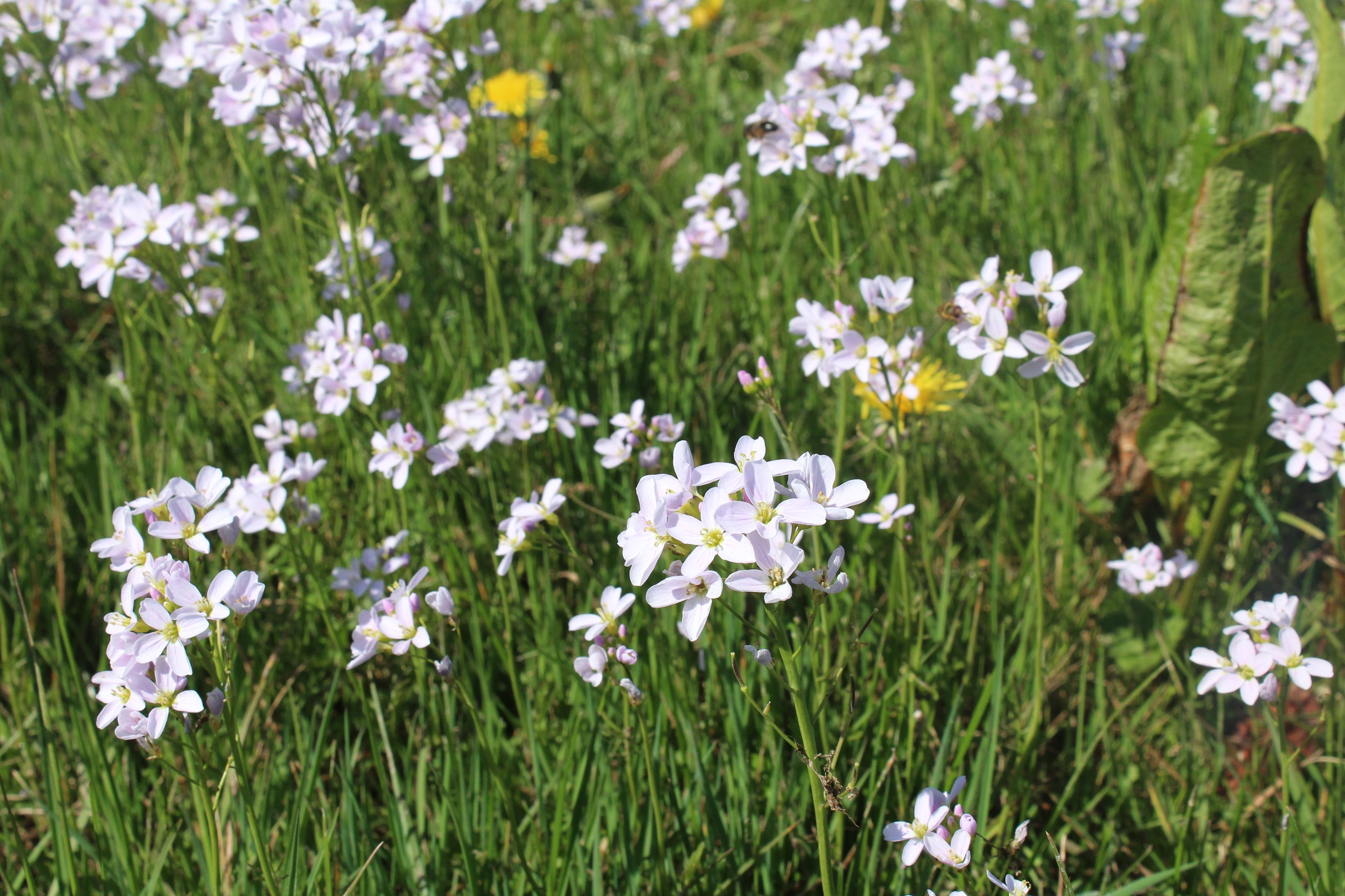
- Cuckooflower, Hillsborough, Ireland, April, 2020
Unlike the animals mentioned so far, plants are obviously immobile and cannot decide where to place themselves to escape harsh conditions and are subject to whatever the elements throw at them. There is an expression my father used to say, which was “you need April showers for May flowers”, a folk saying to remind people why rain in the spring can be a good thing. Thankfully however there have been no shortage of flowers, with Wood Anemone, Dog Violet, Greater Stitchwort, Lesser Celandine, Dandelion and Bluebell all in bloom at the moment and seemingly not affected detrimentally by the dry weather. A lot of herbaceous perennials such as these possess deep tap roots and grow in semi-shaded areas, allowing them to better retain water. A few wilted south-facing nettles were the only less-than-perfect plants that appear to have been affected by the dry weather so far although other will soon start to follow suit should these conditions continue. On a positive note, there is rain forecast over the coming days so hopefully the struggling species fare a bit better from now on.